Exploring Nigeria’s Diverse People and Culture
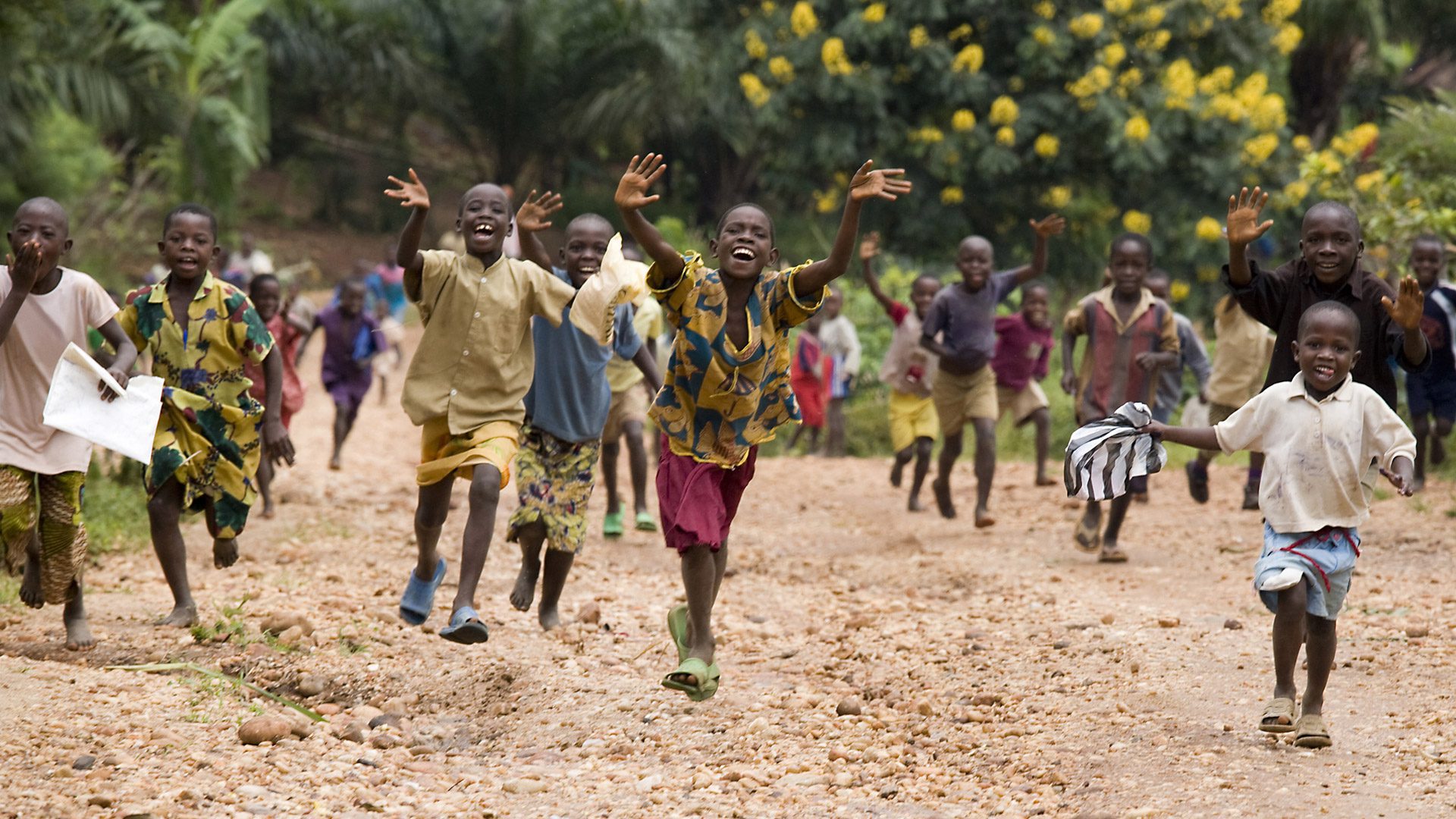
Nigeria is a country bursting with life, incredibly diverse in its people and cultures. Think of it as a mosaic, each piece vibrant and distinct, yet forming a cohesive and compelling whole. You’ll find over 250 ethnic groups here, each with their own language, traditions, and ways of life. This isn’t just about different tribes living side-by-side; it’s about a rich tapestry that has been woven over centuries, shaped by history, geography, and belief systems. Understanding Nigeria means appreciating this deep-seated diversity, recognizing that there isn’t one single “Nigerian culture” but a multitude of experiences and perspectives that contribute to the national identity.
Nigeria’s vast landscape plays a significant role in shaping its people and cultures. From the arid northern regions to the lush southern coast, different environments have fostered unique ways of life.
The Savannah Heartland: North Nigeria
The northern part of Nigeria, characterized by its savannah and semi-arid zones, is home to a predominantly Hausa and Fulani population. These groups have deeply rooted traditions that often intertwine with Islamic faith. The historical empires that flourished here, like the Sokoto Caliphate, left a lasting legacy on the socio-political structures and cultural practices observed today.
Hausa Cultural Expressions
The Hausa people are known for their vibrant markets, elaborate traditional attire like the ‘babban riga’, and a rich oral tradition of storytelling and music. Their architectural styles often feature intricate mud designs and flat roofs, reflecting centuries of adaptation to the climate. Family is central to Hausa life, with strong emphasis on community and respect for elders.
Fulani Nomadic Heritage
The Fulani, a traditionally pastoralist people, are recognized for their distinctive nomadic lifestyle, herding cattle across wide expanses. While many Fulani have settled, the nomadic traditions continue to influence their cultural identity, including their clothing, often adorned with beads and silver, and their unique dances and music that celebrate their connection to their livestock and the land. Their social structures are often less hierarchical than other groups, emphasizing individual autonomy within family units.
The Tropical South: Coastal and Forest Cultures
Moving south, the landscape transforms into lush forests and coastal plains, giving rise to different cultural expressions. This region is home to a greater number of distinct ethnic groups, with the Yoruba, Igbo, and Edo being some of the most prominent.
Yoruba Heritage: Kings and Cities
The Yoruba people, inhabiting the southwestern part of Nigeria, have a rich history of powerful city-states and monarchies. Their cultural output is prolific, encompassing intricate carving, elaborate beadwork, and world-renowned textiles like adire. The Yoruba belief system, including elements of Orisha worship, has spread globally and continues to be a vibrant part of their identity. Festivals like the Osun-Osogbo festival are celebrations of their spiritual and communal ties.
Igbo Entrepreneurship and Community
The Igbo people, primarily found in the southeastern region, are known for their strong emphasis on communal living, entrepreneurial spirit, and an egalitarian social structure. Decisions are often made through community consensus. Their vibrant masquerade traditions, like the Mmanwu, are central to their cultural performances and spiritual beliefs. Igbo language and proverbs are rich with wisdom and often used to impart moral lessons.
Edo Dynasties and Artistry
In the Edo-speaking areas, particularly around Benin City, a profound artistic heritage thrives. The ancient Benin Kingdom was famous for its sophisticated bronze casting and ivory carving, artifacts now highly prized globally. These artistic traditions continue today, reflecting a deep respect for their ancestors and history. The Edo people maintain a strong sense of pride in their royal lineage and historical accomplishments.
The Central Belt: A Meeting Point
The central region of Nigeria, often referred to as the Middle Belt, acts as a crucial transition zone between the northern and southern cultural spheres. This area is characterized by a high degree of ethnic diversity, with groups like the Tiv, Nupe, Jukun, and Idoma, among many others.
Tiv Agricultural Traditions
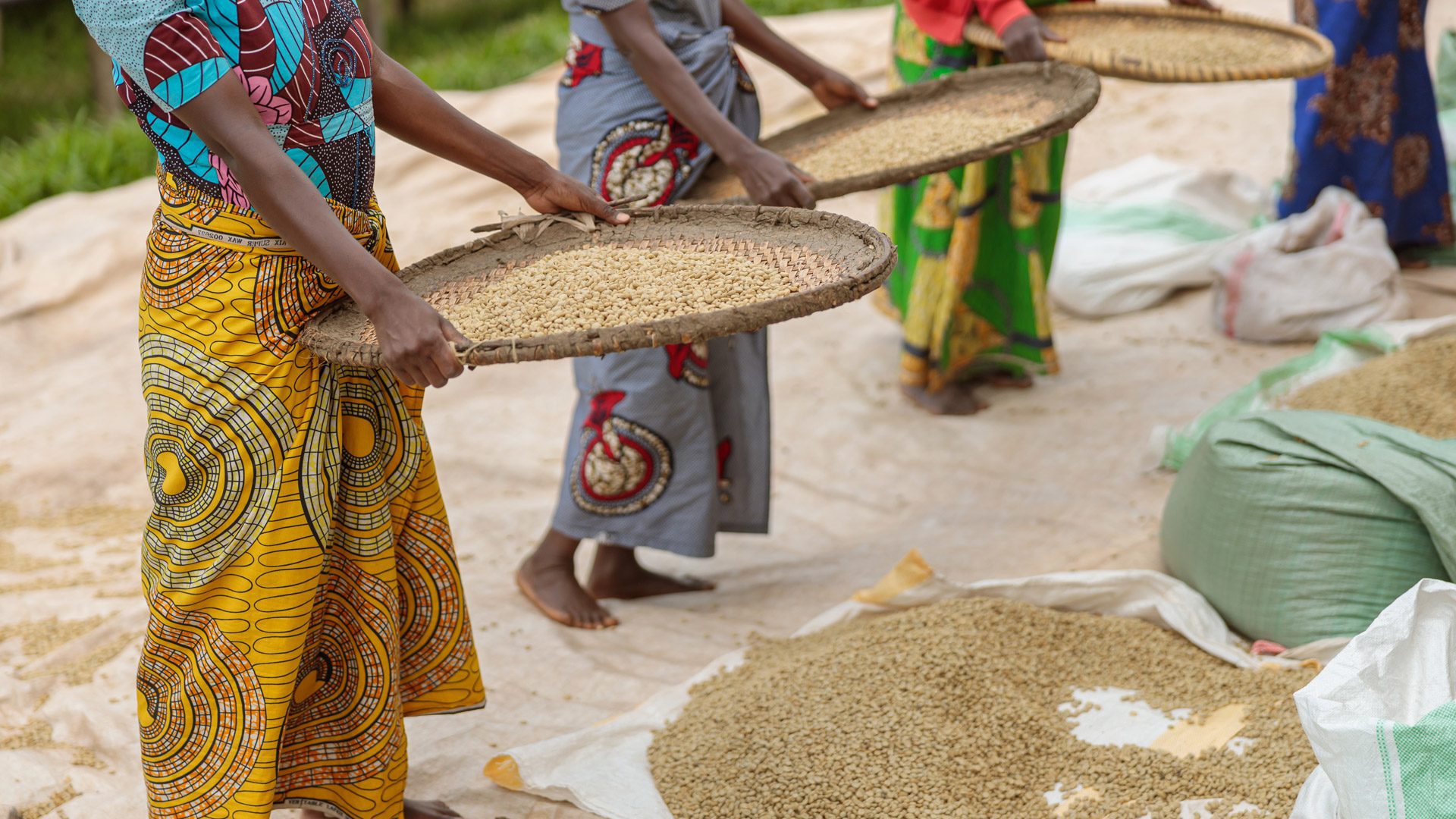 The Tiv, a prominent group in the Middle Belt, are primarily agriculturalists known for their detailed farming techniques and strong communal bonds. Their cultural expressions include lively dances and a rich tradition of storytelling. The Tiv often emphasize lineage and clan in their social organization, with strong ties to their ancestral lands.
Nupe Textiles and Craftsmanship
The Nupe people are renowned for their exceptional craftsmanship, particularly in brass works, glass beads, and various textile forms. Their artistic traditions are often passed down through families, reflecting centuries of specialized skills. Nupe art combines functionality with aesthetic appeal, making their traditional items both useful and beautiful.
Languages: A Tower of Babel, Yet United
With over 500 indigenous languages spoken, Nigeria is linguistically one of the most diverse nations on Earth. While English serves as the official language, primarily for government and business, the local languages are the lifeblood of cultural expression and identity.
The Major Lingua Francas
Hausa, Yoruba, and Igbo are the three most widely spoken languages, each with millions of native speakers. These languages act as lingua francas within their respective regions, facilitating communication and cultural exchange between various smaller ethnic groups. Their influence extends beyond direct communication, shaping regional media, music, and popular culture.
Hausa Language and Outreach
Hausa is not only spoken in northern Nigeria but extends into neighboring countries like Niger, Chad, and Cameroon, making it one of the most widely spoken Chadic languages. It has a rich literary tradition, including poetry and prose, which reflects the historical and spiritual depth of the region.
Yoruba Language and Diaspora
Yoruba, with its tonal complexities and extensive vocabulary, is spoken in southwestern Nigeria and enjoys widespread usage across the Yoruba diaspora, including parts of Brazil, Cuba, and the Caribbean, due to historical transatlantic connections. Its influence on West African popular culture is undeniable, particularly in music and film.
Igbo Language and Resilience
Igbo, a tonal language like Yoruba, is prevalent in southeastern Nigeria. Despite historical pressures, the language has shown remarkable resilience, with efforts to standardize its orthography and promote its usage in education and media. Igbo proverbs and oral traditions are particularly rich, offering insights into their worldview.
The Role of English
English, a legacy of colonial rule, plays a crucial role in binding the diverse linguistic groups. It is the language of government, higher education, and multinational commerce. However, its usage often takes on unique Nigerian inflections, creating distinct forms of Nigerian English that incorporate local idioms and speech patterns. This has led to a vibrant ‘Nigerian Pidgin English’ which acts as a bridge language across many communities.
Belief Systems: A Mosaic of Faith

Religion is a deeply ingrained aspect of Nigerian life, influencing everything from daily routines to significant life events. The country is broadly divided between Islam and Christianity, with traditional African religions often providing an underlying spiritual substrate.
Islam in Nigeria
Islam is predominantly practiced in the northern states and parts of the Middle Belt and Southwest. Introduced through trans-Saharan trade routes centuries ago, it has shaped the legal systems, social customs, and architectural styles of these regions.
Islamic Scholarship and Traditions
Northern Nigeria has a rich history of Islamic scholarship, with ancient centers of learning that contributed significantly to Islamic intellectual traditions in West Africa. The Maliki school of thought is predominant, and Islamic festivals like Eid al-Fitr and Eid al-Adha are celebrated with immense fervor and communal gatherings.
Sufism and Brotherhoods
Within Nigerian Islam, various Sufi orders or brotherhoods (Tariqas) are present, notably the Tijaniyya and Qadiriyya. These orders emphasize spiritual purification, mystical practices, and communal bonding through dhikr (remembrance of God). They often play a significant role in local social and political life.
Christianity in Nigeria
Christianity arrived in Nigeria through European missionaries, first in the South and later expanding inland. It is widespread in the southern states, the Middle Belt, and has a growing presence in the North. Nigerian Christianity is incredibly diverse, encompassing various denominations.
Mainline Denominations
Anglican, Catholic, Baptist, and Methodist churches represent some of the older, more established Christian denominations in Nigeria. These churches have often been instrumental in establishing educational institutions and healthcare facilities, contributing significantly to social development.
Pentecostal Growth and Influence
The last few decades have witnessed an exponential growth of Pentecostal and Evangelical movements. These churches are known for their vibrant worship styles, emphasis on miracles, and active engagement in proselytization. They have a significant influence on popular culture, music, and media.
Traditional African Religions
Before the arrival of Islam and Christianity, Nigerians practiced a rich array of traditional African religions. While less overtly practiced as organized religions today, their influence persists.
Ancestor Veneration
Across many Nigerian cultures, the veneration of ancestors remains a fundamental aspect of spiritual belief. Ancestors are seen as mediators between the living and the spirit world, and their blessings are sought for prosperity and protection. This often translates into specific rituals and ceremonies.
Nature Spirits and Deities
Traditional African religions often involve belief in various nature spirits, deities associated with specific elements (like thunder, water, or earth), and a supreme being. Although individuals may outwardly identify as Christian or Muslim, elements of these traditional beliefs often intertwine with their daily practices and worldview, particularly in rural areas.
Arts and Expressions: A Creative Powerhouse

Nigeria’s cultural diversity is nowhere more evident than in its arts. From ancient sculptures to contemporary film, the nation’s creative output is consistently dynamic and influential.
Visual Arts: Beyond Benin Bronzes
While the Benin Bronzes are globally renowned, Nigerian visual arts extend far beyond them. The Nok terracotta sculptures, dating back centuries BC, provide evidence of early sophisticated artistic expression. Different ethnic groups contribute unique styles, from the intricate carvings of the Yoruba to the vibrant wall paintings of the Igala.
Contemporary Art Scene
Nigeria boasts a thriving contemporary art scene, with artists gaining international recognition. Galleries in Lagos and Abuja showcase diverse artistic practices, from painting and sculpture to mixed media and performance art, often exploring themes of identity, social commentary, and historical narratives.
Performing Arts: Music, Dance, and Drama
The performing arts are central to Nigerian life, used for entertainment, celebration, spiritual expression, and storytelling.
Musical Diversity
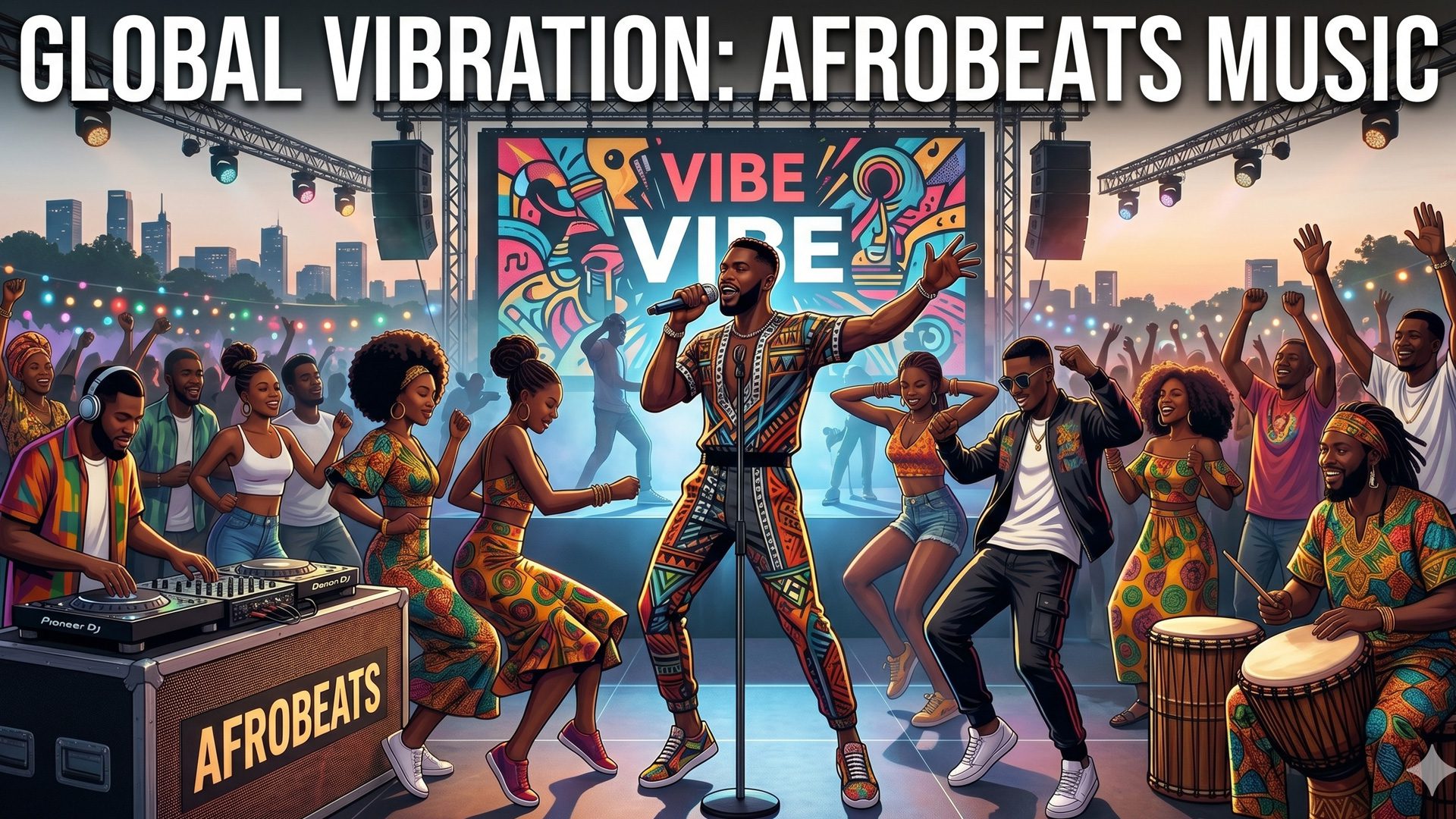
Nigerian music is incredibly diverse, reflecting the nation’s ethnic breadth. From the traditional drumming of the Yoruba (talking drums, bata drums) and the flute melodies of the Fulani to the highlife and juju music genres that emerged in the 20th century, there is a constant evolution. Afrobeats, a contemporary fusion genre, has gained global popularity, influencing music trends worldwide.
Dance as Communication
Dance is a powerful form of communication and celebration in Nigeria. Each ethnic group has its unique dance forms, often accompanied by specific costumes and instruments. These dances can tell stories, commemorate historical events, express emotions, or invoke spiritual blessings.
Theatre and Nollywood
Nigeria has a strong tradition of indigenous theatre, which has evolved into the globally recognized film industry known as Nollywood. Nollywood is one of the largest film industries in the world by volume, producing thousands of films annually that entertain, educate, and reflect Nigerian society, often in local languages. This industry has significantly impacted cultural trends across Africa and the diaspora.
Challenges and Resilience: Forging a Shared Identity
| Population | Languages | Religions |
|---|---|---|
| 200 million | English, Hausa, Yoruba, Igbo, others | Christianity, Islam, Traditional beliefs |
Despite its rich diversity, Nigeria faces challenges related to maintaining unity and promoting understanding among its various groups. However, the nation also demonstrates remarkable resilience in building a shared identity.
Issues of Integration and Identity
With such profound ethnic and religious differences, issues of integration, resource allocation, and political representation are ongoing. Historical narratives and regional disparities can sometimes lead to tension. The ongoing process of nation-building involves navigating these complexities while fostering a sense of shared citizenship.
Bridging Divides
Initiatives aimed at fostering inter-ethnic dialogue, promoting cultural exchange programs, and ensuring equitable development across regions are crucial in bridging these divides. Education plays a vital role in teaching younger generations about the country’s diverse heritage and the importance of peaceful coexistence.
The Spirit of Nigerian Resilience
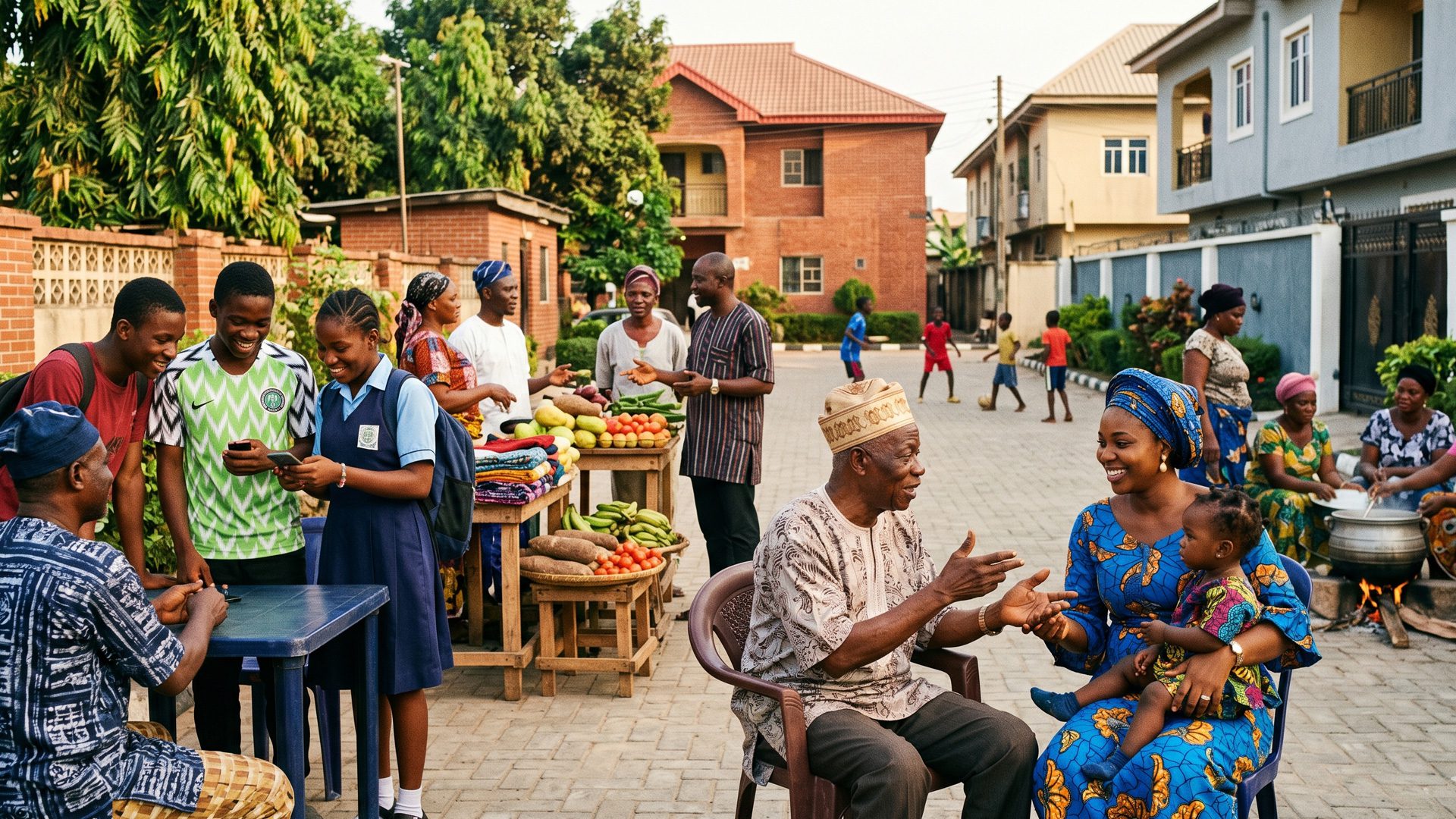
Nigerians are known for their resilience, adaptability, and unwavering spirit. Despite economic challenges, historical conflicts, and internal pressures, there is a prevailing optimism and a strong sense of national pride. This is often expressed through humor, communal support systems, and a vibrant cultural output that continues to thrive.
Unifying Elements
Sports, particularly football, often serve as powerful unifying forces, bringing people from all backgrounds together to support national teams. Popular music and film also play a significant role in creating shared cultural touchstones that transcend ethnic and religious lines, forging a collective Nigerian experience. The shared experience of being Nigerian, with its unique challenges and triumphs, often creates bonds that supersede sub-national identities.
Trending Destinations
Travel Vlogger

news via inbox
Unlock your exclusive access. > Don't miss out! Drop your email below for early event registration, insider news, and perks you won't find anywhere else.