
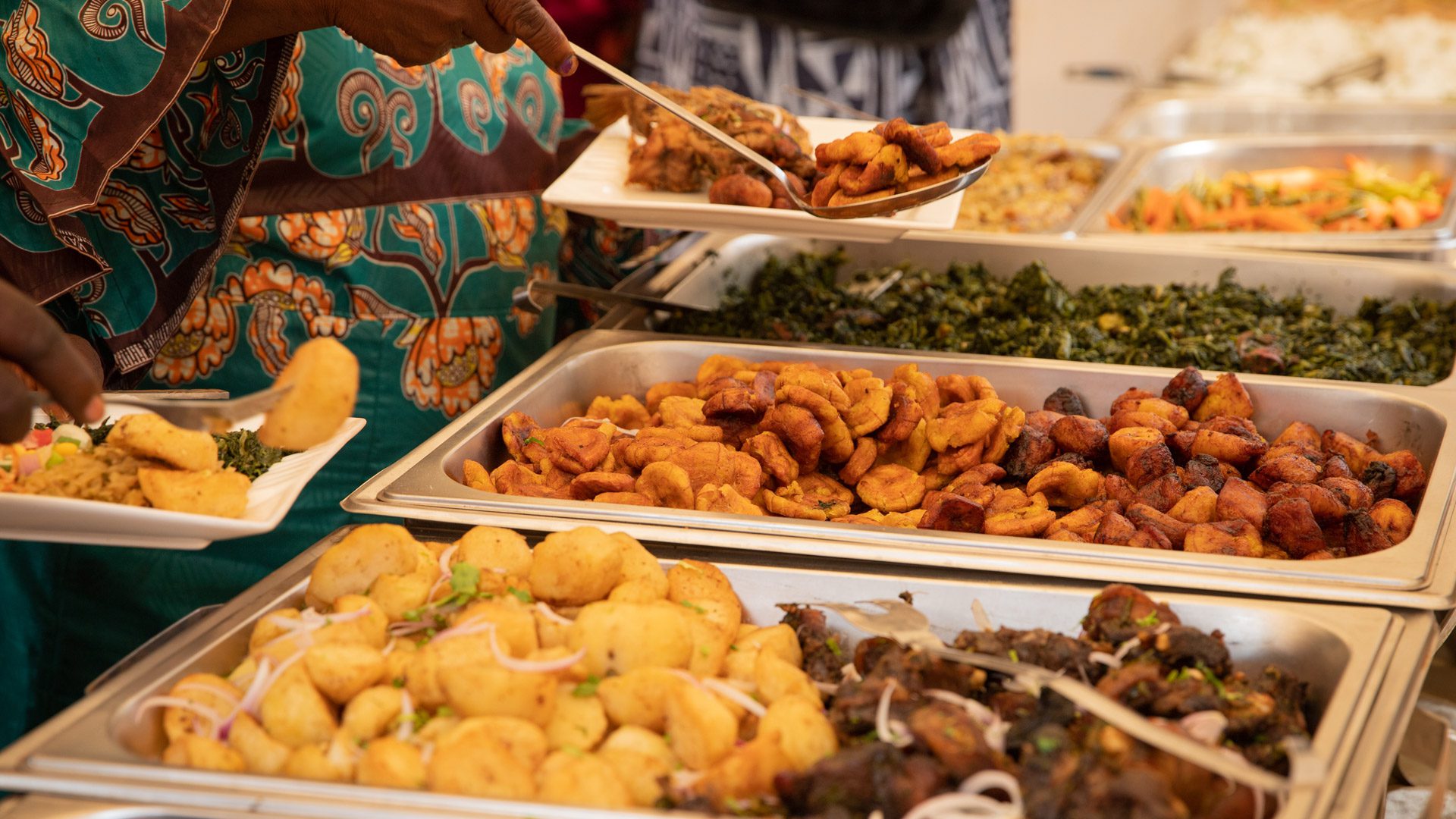
Exploring the Rich and Diverse Food Culture of Nigeria
Nigeria’s food culture is a vast and fascinating landscape, a true reflection of its immense ethnic diversity and rich history. If you’re wondering what defines Nigerian cuisine, the answer is simple yet multifaceted: a vibrant blend of fresh, local ingredients, bold flavors, and traditional cooking methods, all varying significantly from one region to another. It’s not just about sustenance; it’s about community, celebration, and heritage.
Nigeria’s geography plays a critical role in shaping its culinary identity. The diverse climates and available produce in each region lead to distinct foodways.
The Savory North: Grains and Meats
The northern parts of Nigeria, characterized by their savannah climate, rely heavily on grains such as millet, sorghum, and maize. Fulani, Hausa, and Kanuri tribes have developed a cuisine that emphasizes hearty stews, grilled meats, and dishes designed to be filling and sustaining.
- Tuwo Shinkafa and Miyar Kuka: A staple in the north, Tuwo Shinkafa is a thick pudding made from local rice, often served with Miyar Kuka, a baobab leaf soup known for its unique texture and slightly sour tang. It’s a comforting and substantial meal.
- Suya: A universally loved street food, Suya originates from the north. It’s essentially spicy grilled skewered meat, typically beef, chicken, or ram, marinated in a peanut, ginger, and chili spice blend that creates an irresistible aroma and taste.
- Masa and Fura da Nono: Masa are small, fluffy rice cakes, often eaten for breakfast or as a snack. Fura da Nono is a traditional beverage, a refreshing mix of fermented millet porridge and fresh cow’s milk, a common sight in northern markets.
The Flavorful South-West: Yam, Beans, and Complex Sauces
The Yoruba people, predominant in the southwest, have a cuisine built around carbohydrates like yam and diverse protein sources, often characterized by intricate stews and sauces.
- Amala and Ewedu/Gbegiri/Egusi: Amala, made from yam flour, is a common swallow (a starchy food eaten with soup). It pairs perfectly with various rich soups. Ewedu, a jute leaf soup, is often combined with Gbegiri, a flavorful beans soup, and served along a meat stew. Egusi soup, made from ground melon seeds, is another beloved staple, frequently containing a mix of meats and fish.
- Moin-Moin and Akara: Moin-Moin is a steamed bean pudding made from peeled ground beans, peppers, and onions, often with additions like boiled eggs, fish, or corned beef. Akara are delicious bean fritters, crisp on the outside and soft on the inside, a popular breakfast item or snack.
- Pounded Yam (Iyan): A quintessential Nigerian meal, particularly in the southwest, pounded yam involves boiling yam tubers until soft, then pounding them into a smooth, elastic dough. It is a labor-intensive but rewarding dish, almost always served with a rich and spicy soup.
The Rich South-South/Niger Delta: Seafood and Starchy Soups
The coastal and riverine communities of the Niger Delta and South-South regions have a diet heavily influenced by their environment, featuring abundant seafood and native starches like garri and plantain.
- Fufu and Edikang Ikong/Afang: Fufu, made from fermented cassava, is another widespread swallow. Edikang Ikong, a rich vegetable soup made with leafy greens, periwinkles, and various meats, is a Calabar specialty. Afang soup, another popular dish from the Efik and Ibibio people, uses a specific leafy vegetable (Afang leaves) and waterleaf, creating a distinctive flavor profile.
- Banga Soup and Starch: Banga soup, made from palm nut concentrate, is a traditional delicacy, especially among the Urhobo and Igbo communities. It’s often served with “Starch,” a yellowish, gelatinous swallow made from cassava.
- Fisherman’s Soup: Given the region’s proximity to water, soups rich in various types of fresh and smoked fish, prawns, and other seafood are common. These soups are typically robust and highly flavorful.
The Diverse South-East: More Yam, Cassava, and Leafy Greens
The Igbo people dominate the southeast, and their cuisine shares similarities with other southern regions but has its distinct staples and preparations, often prioritizing fresh, local ingredients.
- Abacha (African Salad): A cold dish made from shredded, dried cassava, Abacha is dressed with palm oil, garden eggs, utazi leaves, and various spices. It’s often garnished with fried fish or kponmo (cow skin).
- Ofe Nsala (White Soup): Known as ‘white soup’ because it doesn’t use palm oil, Ofe Nsala is a light but flavorful yam-thickened soup with a delicate taste, often prepared with fresh fish or goat meat.
- Ukwa (Breadfruit): A versatile fruit, Ukwa can be boiled and eaten as a porridge or roasted and consumed as a snack. It’s a significant part of the Igbo diet when in season.
Staple Ingredients and Their Significance
Nigerian cooking relies on a core set of ingredients that form the backbone of countless dishes. Understanding these staples is key to appreciating the cuisine.
The Ubiquitous Trio: Yam, Cassava, and Plantain
These starchy tubers are foundational to Nigerian meals, providing essential carbohydrates.
- Yam: A versatile tuber, yam is boiled, fried, roasted, or pounded. Pounded yam is a special occasion dish due to its preparation, while fried yam chips are a popular street snack.
- Cassava: Used to make garri (a granular flour), fufu, and abacha, cassava is a highly adaptable and economical staple. Its fermentation process also contributes unique flavors.
- Plantain: Eaten ripe (fried, boiled, or roasted) or unripe (used in porridges and soups), plantain offers both sweetness and a starchy base for many dishes.
The Flavor Powerhouses: Palm Oil and Peppers
These two ingredients are almost synonymous with Nigerian cooking, dictating color, taste, and aroma.
- Palm Oil: The vibrant orange-red oil extracted from palm fruit is not just a cooking medium but a flavoring agent, lending its distinct taste and color to most traditional stews and soups.
- Peppers: From mild bell peppers to fiery habaneros and Scotch bonnets, chilies are fundamental to Nigerian cuisine, providing a characteristic heat and depth of flavor.
Leafy Greens and Proteins: Beyond the Basics
Nigerian dishes are rich in fresh vegetables and protein sources.
- Leafy Green Vegetables: Ugwu (fluted pumpkin leaves), scent leaf, bitter leaf, waterleaf, and spinach are frequently used in soups and stews, providing nutrients and distinctive flavors.
- Proteins: While beef, goat, and chicken are common, various types of fresh and smoked fish, prawns, snails, and offal (like tripe and cow skin, locally known as kponmo) are also integral to the Nigerian diet.
The Art of Nigerian Soups and Stews

Soups and stews are the heart of Nigerian commensality. They are typically rich, flavorful, and often spicy, designed to be eaten with “swallows.”
The Concept of “Swallow” Foods
“Swallows” are dense, starchy foods, such as pounded yam, fufu, amala, or eba (garri), which are rolled into small balls and dipped into soup or stew. The idea is to swallow them with the soup, rather than chewing extensively. This is a fundamental aspect of the Nigerian dining experience.
Popular Soup Varieties
- Egusi Soup: Made from ground melon seeds, Egusi soup is thick and savory, often containing a mix of meats, fish, and leafy greens. It’s one of the most universally loved Nigerian soups.
- Okra Soup (Okoro): A draw-soup (slimy texture), okra soup is light yet flavorful, typically cooked with assorted meats, fish, and sometimes periwinkles.
- Bitterleaf Soup (Ofe Oha): Despite its name, the bitter leaf is thoroughly washed to remove most of its bitterness, leaving a unique, earthy flavor. This soup is hearty and often contains cocoyam for thickening.
- Ogbono Soup: Another draw-soup, Ogbono is made from ground wild mango seeds, giving it a distinctive aroma and texture. It’s often cooked with various meats and smoked fish.
Street Food and Snacks: A Culinary Adventure Beyond the Dining Table

Nigerian street food offers a glimpse into everyday culinary life, providing quick, flavorful, and accessible options.
Quick Bites on the Go
- Akara and Akamu (Pap): A classic breakfast combination, Akara are bean fritters, often enjoyed with Akamu, a fermented corn pudding.
- Boli and Groundnuts: Roasted plantain (Boli) served with roasted groundnuts (peanuts) is a simple, satisfying snack found on many street corners.
- Puff Puff and Chin Chin: Puff Puff are deep-fried dough balls, light and airy, while Chin Chin are crispy, deep-fried dough snacks, often flavored with nutmeg. Both are popular sweet treats.
Grilled Delights
- Suya: As mentioned earlier, Suya is a quintessential street food experience, particularly in the evenings. The smoky flavor and spicy marinade are addictive.
- Roasted Corn: Seasonal roasted corn cobs are a common sight, often enjoyed with grilled pear (ube).
The Cultural Significance of Food in Nigeria
| Food Item | Description |
|---|---|
| Jollof Rice | A popular dish made with rice, tomatoes, onions, and a variety of spices. |
| Pounded Yam | A staple food made by pounding yam until smooth and served with various soups. |
| Suya | Skewered and grilled meat seasoned with spicy peanut sauce, a popular street food. |
| Egusi Soup | A thick soup made with ground melon seeds and leafy vegetables, often served with fufu. |
| Chin Chin | A crunchy snack made from fried dough, often flavored with nutmeg or cinnamon. |
Food in Nigeria is far more than sustenance; it’s intricately woven into the social fabric, reflecting history, community, and celebration.
Food as an Expression of Hospitality and Community
Sharing food is a pillar of Nigerian hospitality. Guests are always offered food, and communal eating from a shared dish is common. This practice reinforces family bonds and community ties.
Celebrations and Rituals
Weddings, festivals, naming ceremonies, and funerals all have specific foods associated with them. Certain dishes are reserved for special occasions, symbolizing abundance, joy, or remembrance. For instance, Jollof rice is almost mandatory at any significant celebration.
Food as Identity
Regional dishes contribute to a sense of identity. People often proudly identify with their local cuisine, and the knowledge of preparing traditional dishes is passed down through generations, preserving cultural heritage.
Navigating the Flavors: Tips for the Curious Eater
Exploring Nigerian food can be an adventure. Here are a few practical tips to help you make the most of it.
Embrace the Heat
Nigerian food is typically spicy. If you’re not accustomed to heat, start with milder options or ask for less pepper. Most dishes have a kick, which is part of their appeal.
Don’t Be Afraid of the “Swallow”
The concept of eating with your hands (traditionally the right hand) and “swallowing” a starchy ball with soup might seem unusual initially, but it’s an authentic way to experience the cuisine. Most places will provide cutlery if you prefer.
Seek Out Local Markets
To truly understand Nigerian food, visit a local market. The vibrant array of fresh produce, spices, and local ingredients offers an unparalleled insight into the culinary heart of the nation. Engage with vendors; they’re often happy to explain their wares.
Nigeria’s food culture is a testament to its diversity and resilience. It is a journey through different tastes, textures, and aromas, deeply rooted in history and community. From the hearty grains of the North to the seafood delights of the coast and the rich stews of the South, Nigerian cuisine offers a vast and rewarding experience for anyone willing to explore its depths.
Trending Destinations
Travel Vlogger

news via inbox
Unlock your exclusive access. > Don't miss out! Drop your email below for early event registration, insider news, and perks you won't find anywhere else.