
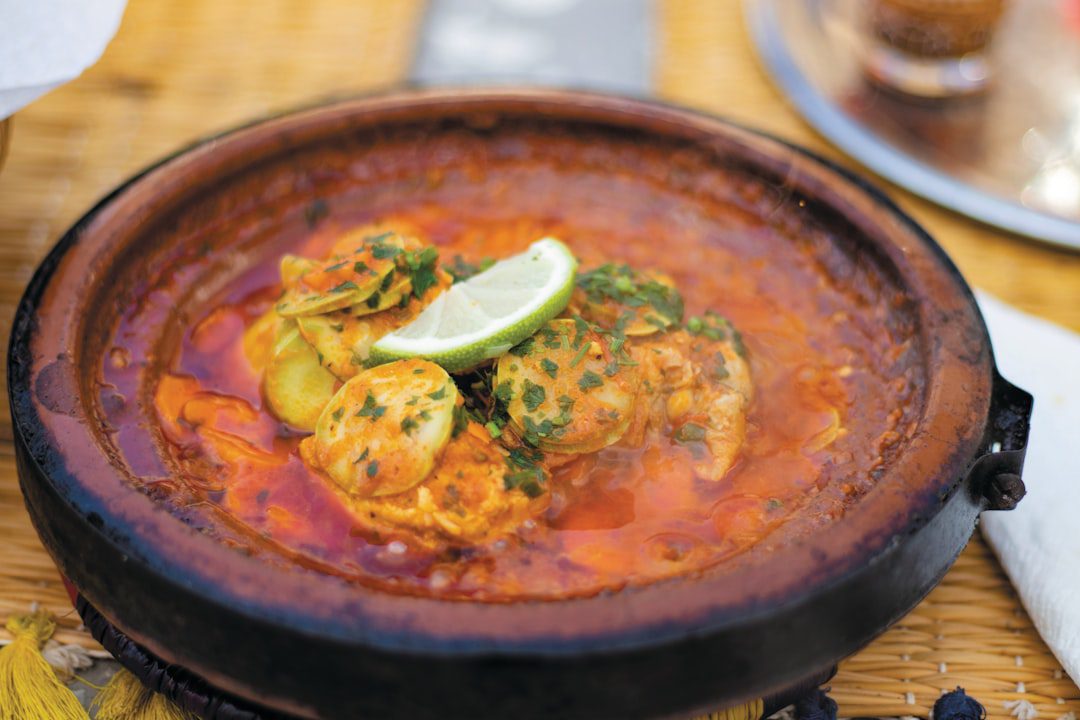
Flavorful Moroccan Chicken Tagine Recipe
Flavorful Moroccan Chicken Tagine Recipe
Let’s talk about making a delicious Moroccan Chicken Tagine right at home. The good news is, it’s totally doable and not as complicated as you might think. At its heart, a flavorful tagine combines tender chicken with aromatic spices, sweet dried fruits, and sometimes vegetables, all slow-cooked to perfection. You don’t need a fancy conical tagine pot to get amazing results; a Dutch oven or a heavy-bottomed pot works just as well.
What Exactly is a Tagine?
Before we dive into cooking, it’s good to understand what we’re making. A tagine, in the culinary sense, refers to both the conical earthenware pot it’s traditionally cooked in and the stew-like dish itself. The unique shape of the pot is designed to allow steam to rise, condense on the lid, and then drip back down onto the ingredients, keeping everything wonderfully moist and tender.
The flavors are typically warm and complex, often featuring a sweet and savory balance. Think tender chicken, plump dried apricots or dates, the subtle heat of ginger and cinnamon, and the bright tang of preserved lemon. It’s a dish that feels both comforting and exotic, perfect for sharing with friends and family.
If you’re interested in exploring the rich culinary traditions of Morocco, you might also enjoy learning about the cultural influences that shape global cuisine. A related article that delves into the impact of Nollywood on global cinema can provide insights into how storytelling and culture intersect across different mediums. You can read more about it here: Exploring the Impact of Nollywood on Global Cinema.
Getting Started: The Essential Ingredients
To create that authentic Moroccan magic, you’ll need a few key players. Don’t worry if you can’t find every single ingredient; flexibility is your friend here. The goal is to capture the essence of the dish.
The Star of the Show: Chicken
- Chicken Pieces: You can use bone-in, skin-on chicken pieces like thighs and drumsticks. The bones add flavor and moisture, and the skin gets beautifully browned. If you prefer, boneless, skinless thighs are also a great option, but they might cook a little faster. About 2-3 pounds should be good for a family meal.
The Aromatic Foundation
- Onions: Yellow onions are your best bet for a sweet, mellow base. Use one or two, depending on their size and your preference.
- Garlic: Fresh garlic is non-negotiable. Plenty of it!
- Ginger: Freshly grated ginger will give you that characteristic warmth and zing. Don’t skimp on this one.
The Spice Symphony
This is where the magic truly happens. Moroccan cuisine is all about the artful blending of spices.
- Cumin: Earthy and warm, cumin is a cornerstone.
- Coriander: Slightly citrusy and floral, it complements cumin perfectly.
- Turmeric: For that beautiful golden hue and a subtle earthy flavor.
- Cinnamon: Adds a touch of sweetness and warmth. Use a stick if you have one for a more nuanced flavor, or ground cinnamon works well too.
- Paprika: Sweet paprika will deepen the color and add a mild sweetness. Smoked paprika can add an interesting layer, but use it sparingly if you do.
- Ginger (Ground): A little goes a long way to boost the fresh ginger’s impact.
- Salt and Black Pepper: To taste, of course.
Sweet and Tangy Accents
This is what gives a tagine its distinctive Moroccan character.
- Dried Apricots or Dates: These provide a lovely natural sweetness and chewy texture. About a cup is a good starting point. You can also mix them.
- Preserved Lemons: This is a game-changer. The rind, in particular, is intensely lemony and savory, without the harshness of fresh lemon juice. If you can find them, use them! If not, the zest and juice of one fresh lemon will offer a decent, though different, tang.
- Honey or Brown Sugar: Just a touch to enhance the sweetness if needed, especially if your dried fruit isn’t super sweet.
The Cooking Liquid
- Chicken Broth or Water: To create the stewy consistency. Low-sodium chicken broth is ideal for controlling the saltiness.
- Olive Oil: For sautéing.
Optional Additions (For Extra Flair)
- Almonds (Blanched or Sliced): Toasted almonds add a delicious crunch and nutty flavor at the end.
- Fresh Cilantro and Parsley: Chopped fresh herbs are crucial for brightness and garnish.
- Green Olives: The brine adds a salty, briny counterpoint.
- Saffron Threads: For a luxurious aroma and color (if you’re feeling fancy!). A pinch, steeped in a little warm water, is all you need.
- Vegetables: Some people add chunks of carrots, sweet potatoes, or even chickpeas for a heartier tagine.
The Cooking Process: Step-by-Step
Now for the fun part – bringing it all together.
Step 1: Browning the Chicken
- Pat Dry: Always pat your chicken pieces very dry with paper towels. This is key to getting a good sear.
- Season Generously: Season the chicken pieces all over with salt and pepper.
- Sear in Batches: Heat a generous glug of olive oil in your pot (Dutch oven or heavy-bottomed pot) over medium-high heat. Don’t crowd the pot. Brown the chicken pieces on all sides until golden. This step builds incredible flavor. Remove the browned chicken and set aside.
Step 2: Building the Flavor Base
- Sauté Aromatics: Add a little more olive oil if needed. Lower the heat to medium. Add your chopped onions and sauté them until softened and slightly golden. This can take about 5-7 minutes.
- Add Garlic and Ginger: Toss in your minced garlic and grated fresh ginger. Cook for another minute until fragrant, being careful not to burn them.
- Bloom the Spices: Add all your ground spices (cumin, coriander, turmeric, cinnamon, ground ginger, paprika) to the pot. Stir them into the onions and garlic and cook for about 30-60 seconds, until they become very fragrant. This “blooming” process really opens up their flavors.
Step 3: Bringing It All Together
- Return Chicken: Nestle the browned chicken pieces back into the pot.
- Add Liquid and Sweeteners: Pour in the chicken broth (or water) and add the dried apricots/dates. If using honey or brown sugar, add it now. If you have a cinnamon stick, add it here too. If using saffron, add the steeped saffron liquid now.
- Add Preserved Lemon: If using preserved lemon, rinse it thoroughly under cold water to remove excess salt. Finely chop the rind and discard the pulp (or save it for another use). Add the chopped rind to the pot. If you’re using fresh lemon, add its zest and juice now.
Step 4: The Slow Cook Magic
- Simmer and Cover: Bring the liquid to a gentle simmer. Once simmering, cover the pot tightly with its lid.
- Low and Slow: Reduce the heat to low and let it cook for at least 1 to 1.5 hours. The chicken should be incredibly tender, falling off the bone. The sauce will have thickened and become rich with flavor.
- Check for Tenderness: You can check the chicken for doneness by piercing it with a fork; it should pull apart easily. If it’s not tender enough, keep it simmering, checking every 15-20 minutes.
Step 5: Finishing Touches
- Adjust Seasoning: Once the chicken is tender, taste the sauce and adjust salt and pepper as needed.
- Add Olives (Optional): If using green olives, add them in the last 10-15 minutes of cooking so they don’t get too soft.
- Thicken Sauce (If Needed): If your sauce is too thin for your liking, you can remove the lid and let it simmer uncovered for the last 15-20 minutes to reduce, or mix a tablespoon of cornstarch with a little cold water and stir it into the simmering sauce.
- Add Fresh Herbs and Nuts: Just before serving, stir in most of your chopped fresh cilantro and parsley. Sprinkle toasted almonds over the top for that lovely crunch.
Serving Your Moroccan Chicken Tagine
This is the moment you’ve been waiting for! The aroma alone will tell you you’ve succeeded.
Accompaniments
- Couscous: This is the classic pairing. Fluffy couscous is perfect for soaking up all that delicious sauce. Prepare it according to package directions.
- Crusty Bread: A good piece of crusty bread is excellent for scooping up every last drop of the tagine sauce.
- Rice: Plain basmati or jasmine rice is also a good option if couscous isn’t your favorite.
Garnish
- More Fresh Herbs: Sprinkle with the remaining chopped cilantro and parsley.
- Toasted Almonds: As mentioned, they add a wonderful textural contrast.
- A Drizzle of Olive Oil: A final drizzle of good quality olive oil can enhance the richness.
Moroccan Chicken Tagine is a delightful dish that showcases the rich flavors and spices of North African cuisine. If you’re interested in exploring more about the culinary traditions of Morocco, you might want to check out a related article that delves into the various spices used in Moroccan cooking. This article provides insights into how these spices can enhance your dishes, making them truly unforgettable. For more information, you can read the article here.
Troubleshooting Common Tagine Challenges
Even with the best intentions, sometimes things don’t go exactly as planned. Here are a few common issues and how to address them.
My Tagine Sauce is Too Thin
- Simmer Down: The simplest solution is to remove the lid and let the tagine simmer gently over low heat. This allows the liquid to evaporate and the sauce to thicken naturally. Keep an eye on it so it doesn’t reduce too much.
- Cornstarch Slurry: For a quicker fix, whisk a tablespoon of cornstarch with 2 tablespoons of cold water to create a smooth slurry. Stir this into the simmering tagine and cook for a minute or two until thickened.
- Mashed Chickpeas: If you decide to add chickpeas, mashing a few at the end can also help thicken the sauce.
My Tagine is Not Flavorful Enough
- Spice it Up: Don’t be afraid to add more spices! You can stir in a little more cumin, coriander, or cinnamon towards the end of cooking. A pinch of cayenne pepper can add a subtle warmth if you like.
- Lemon Power: If you’re missing that bright tang, a squeeze of fresh lemon juice right at the end can make a big difference.
- Salt Check: Sometimes, a lack of flavor can simply be a salt issue. Taste and add salt gradually until it’s just right. Remember that preserved lemons are salty, so adjust accordingly.
My Chicken is Dry
- Don’t Overcook: The most common reason for dry chicken is overcooking. For bone-in chicken, 1 to 1.5 hours is usually sufficient. Boneless chicken will cook faster, so start checking it at around 45 minutes.
- Adequate Liquid: Ensure there’s enough liquid in the pot to keep the chicken moist during the slow cooking process. The lid should be firmly in place to trap steam.
- Bone-in, Skin-on is Best: As mentioned earlier, bone-in, skin-on chicken pieces are more forgiving and tend to stay juicier.
I Can’t Find Preserved Lemons
- Lemon Zest and Juice: This is the best substitute. Zest one whole lemon and then juice it. Add this to the tagine in the same way you would the preserved lemon. It won’t have the same salty, fermented depth, but it will provide a lovely citrusy brightness.
- Lacking Fermented Depth: If you really want that fermented tang, you could try adding a tiny splash of white wine vinegar or a very light sprinkle of sumac to the finished dish, but use these sparingly to avoid overpowering the other flavors.
Tips for Making the Best Tagine
A few little tricks can elevate your tagine from good to truly exceptional.
Quality Ingredients Matter
The better your ingredients, the better your dish will taste. Use good quality spices, fresh produce, and decent chicken. It really does make a difference.
Don’t Rush the Browning
That initial browning of the chicken is crucial for developing deep, rich flavors. Take your time and get a good color on all sides.
Low and Slow is Key
Resist the urge to crank up the heat. The long, slow cooking time is what makes the chicken incredibly tender and allows the flavors to meld beautifully.
Taste and Adjust
This is perhaps the most important tip for any cooking. Taste your tagine at different stages, especially towards the end, and adjust the seasoning, sweetness, or tanginess to your preference.
Make it Ahead
Tagines often taste even better the next day. The flavors have more time to meld and deepen. This makes it a fantastic dish to prepare for guests, as you can largely get it done in advance and just reheat it gently.
Experiment with Dried Fruits
While apricots are classic, don’t hesitate to try dates, prunes, or even raisins for a different kind of sweetness and chew. A mix can also be really interesting.
By following these steps and keeping these tips in mind, you’ll be well on your way to creating a truly memorable and flavorful Moroccan Chicken Tagine that will impress your family and friends (or just yourself!). Enjoy the process and the incredible results.
FAQs
What is Moroccan Chicken Tagine?
Moroccan Chicken Tagine is a traditional North African dish that is named after the earthenware pot in which it is cooked. It typically consists of chicken, vegetables, and a variety of spices, such as cumin, ginger, and saffron.
What are the key ingredients in Moroccan Chicken Tagine?
The key ingredients in Moroccan Chicken Tagine include chicken, onions, garlic, preserved lemons, olives, and a blend of spices such as cumin, ginger, paprika, and saffron. It is often served with couscous or bread.
How is Moroccan Chicken Tagine traditionally cooked?
Moroccan Chicken Tagine is traditionally cooked in a cone-shaped earthenware pot called a tagine. The dish is slow-cooked over low heat, allowing the flavors to meld together and the chicken to become tender.
What are some variations of Moroccan Chicken Tagine?
Variations of Moroccan Chicken Tagine may include the addition of other ingredients such as apricots, almonds, or chickpeas. Some recipes also call for the use of different meats, such as lamb or beef, instead of chicken.
What are some tips for making Moroccan Chicken Tagine?
Some tips for making Moroccan Chicken Tagine include marinating the chicken in the spice mixture for at least an hour before cooking, using a tagine pot if possible, and ensuring that the dish is cooked over low heat to allow the flavors to develop. Additionally, it is important to use preserved lemons and olives to achieve the authentic flavor of the dish.
Trending Destinations
Travel Vlogger

news via inbox
Unlock your exclusive access. > Don't miss out! Drop your email below for early event registration, insider news, and perks you won't find anywhere else.