Exploring the Richness of Nigerian Culture
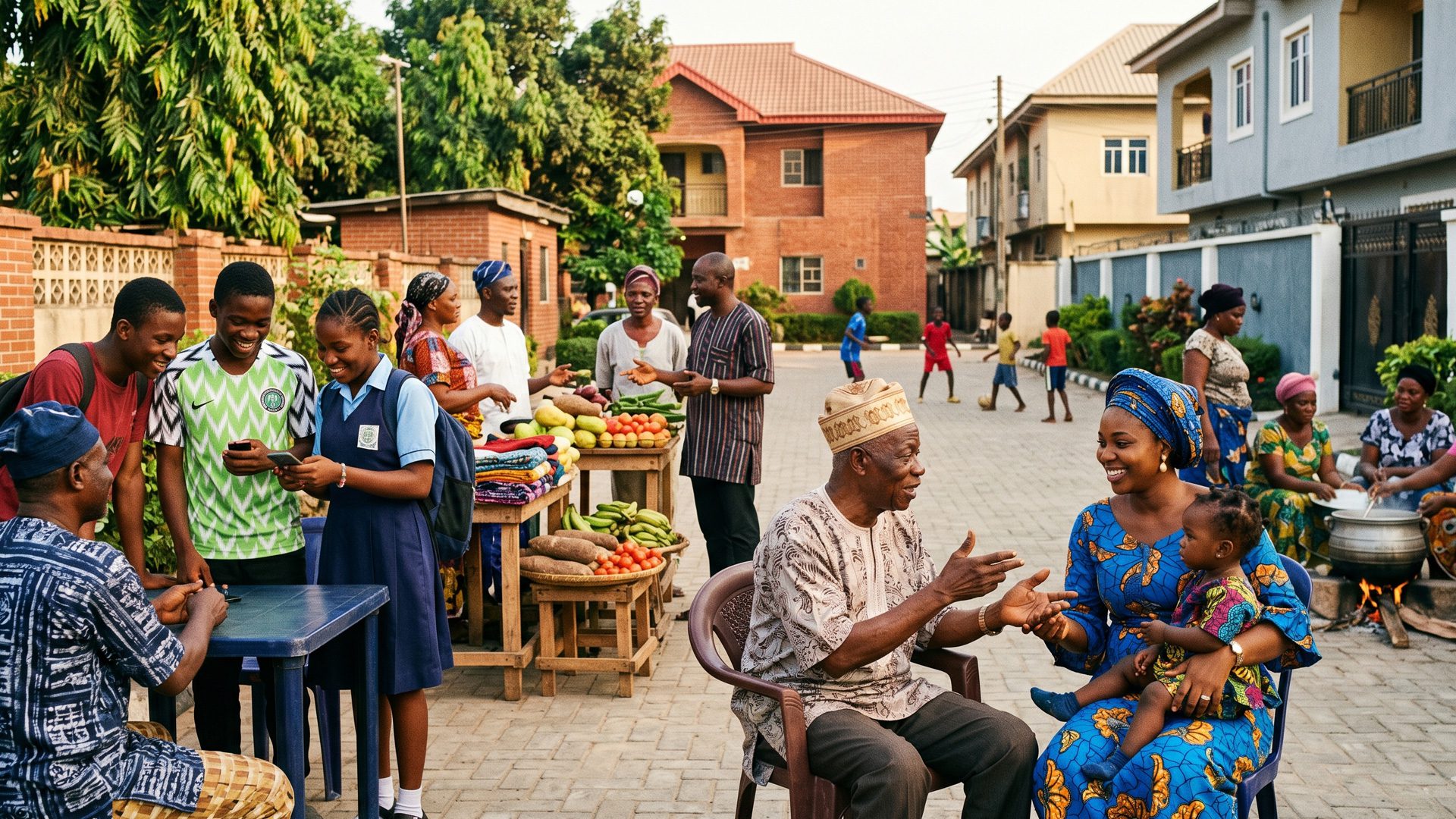
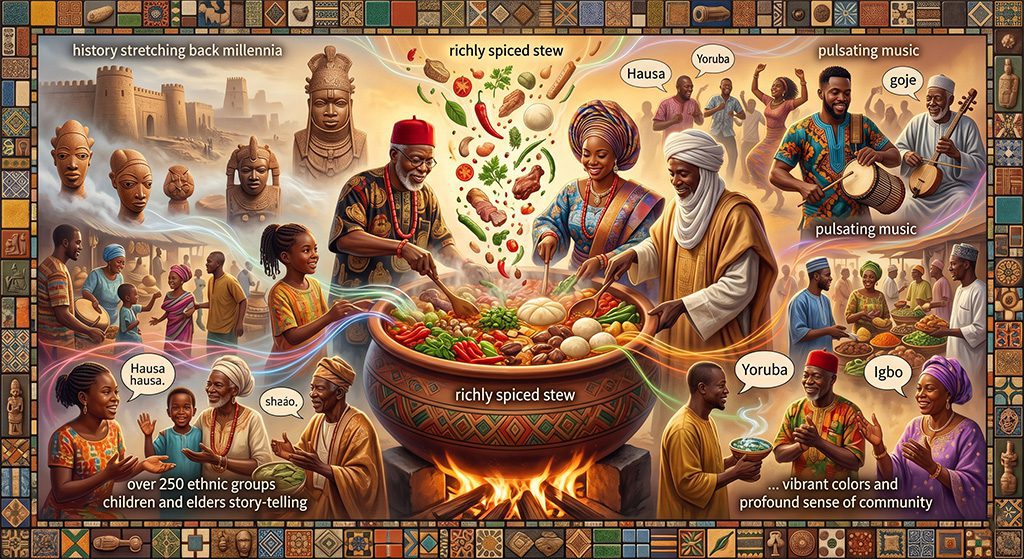
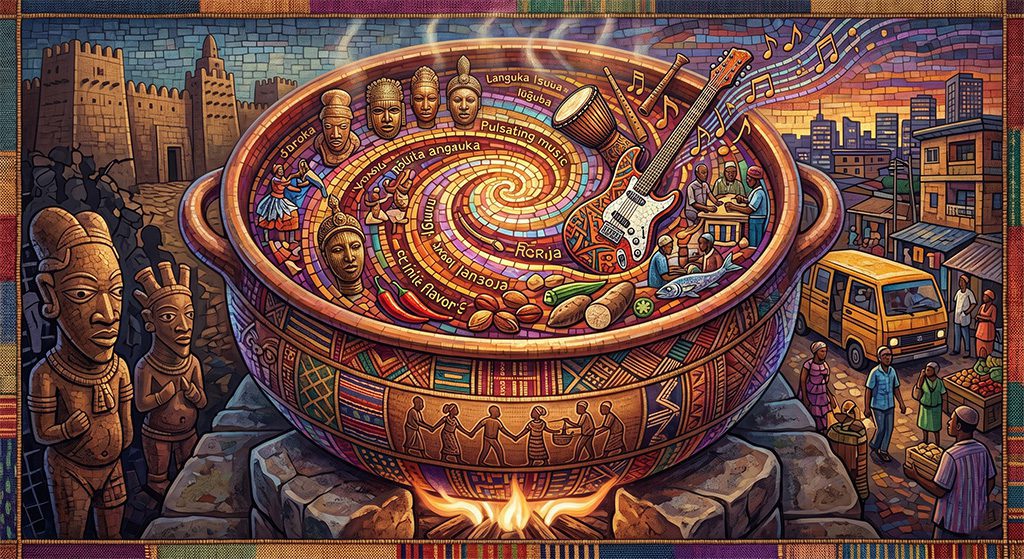
Nigeria. The name itself conjures images of vibrant colors, pulsating music, and a history stretching back millennia. But what is Nigerian culture, really? It’s not a single monolithic entity, but rather a dazzling mosaic of traditions, languages, and perspectives woven together by shared experiences and a profound sense of community. Think of it as a richly spiced stew, with each ingredient contributing its unique flavor.
A Tapestry of Languages and Peoples
Nigeria is home to an incredible linguistic diversity. It’s estimated there are over 500 distinct languages spoken across the country. This isn’t just a number; it represents hundreds of unique ways of seeing the world, passed down through generations.
Major Language Groups
- Hausa: Predominantly spoken in the north, Hausa is a lingua franca for many in West Africa. Its rich oral traditions have preserved historical narratives and folklore for centuries.
- Yoruba: Found in the southwest, Yoruba boasts a complex belief system and a highly developed artistic heritage, particularly in sculpture and textile weaving.
- Igbo: Occupying the southeast, the Igbo people are known for their strong community structures and a history of decentralized governance. Their proverbs and storytelling are central to their cultural transmission.
- Other Significant Languages: Beyond these major groups, languages like Fulfulde, Kanuri, Tiv, Ijaw, and Edo contribute to the nation’s vibrant linguistic landscape, each with its own distinct sounds and nuances.
The Concept of “Ethnic Group” in Nigeria
It’s often more helpful to think of “ethnic groups” in Nigeria not as rigid boxes, but as fluid communities with shared customs, histories, and often, ancestral lands. These groups have interacted and influenced each other for centuries, leading to a fascinating cross-pollination of ideas and practices.
Artistry in Every Thread and Form
Nigerian art is world-renowned, not for its decorative appeal alone, but for its deep connection to spirituality, social commentary, and historical record-keeping. From intricate beadwork to powerful bronze castings, Nigerian artists have a long and distinguished tradition.
Textile Traditions
- Adire: This resist-dyeing technique, often using indigo, is a hallmark of Yoruba textiles. Motifs on Adire cloth can carry symbolic meanings, telling stories or conveying blessings. The variations in patterns and styles are extensive, with each region and artisan often having their own signature.
- Aso Oke: Woven by the Yoruba, Aso Oke is a prestigious fabric traditionally worn for significant ceremonies like weddings and festivals. Its intricate patterns and rich textures signify status and celebration. The weaving process itself is laborious and demands a high level of skill.
- Brokades and Embellishments: Across various cultures, elaborate embroidery, beadwork, and sequins are used to adorn clothing, especially for special occasions. This practice highlights a meticulous attention to detail and a desire to create garments that are both beautiful and meaningful.
Sculptural and Metalwork Heritage
- Nok Terracotta: Dating back to pre-Islamic times, Nok terracotta figurines are some of the earliest known examples of figurative art in sub-Saharan Africa. Their distinctive features and sophisticated craftsmanship hint at a complex society.
- Ife Bronzes: These remarkably realistic bronze and terracotta heads from Ife are another testament to Nigeria’s ancient artistic prowess. Their lifelike detail and anatomical accuracy are astounding, considering the tools available at the time.
- Benin Bronzes: The kingdom of Benin was famous for its intricate brass and bronze sculptures, particularly the plaques and heads that adorned the royal palace. These works not only showcase incredible metallurgical skill but also provide invaluable historical accounts of court life, warfare, and religious practices. Despite their historical significance, many of these artifacts were looted and are now housed in museums worldwide.
Festivals and Celebrations: The Pulse of Nigerian Life
Celebration is deeply ingrained in the Nigerian spirit. Festivals are not merely events; they are vibrant expressions of community, spirituality, and the continuation of ancestral traditions. They are moments to connect, rejoice, and reaffirm cultural identity.
Religious and Seasonal Festivals
- Eid al-Fitr and Eid al-Adha: Celebrated by Muslims, these festivals mark the end of Ramadan and the willingness of Ibrahim to sacrifice his son, respectively. They involve communal prayers, feasts, and acts of charity, bringing communities together.
- Easter and Christmas: For Christians, these holidays are occasions of reflection, worship, and family gatherings. Churches are often adorned with special decorations, and special meals are prepared.
- New Yam Festival (Iwa Ji): Prevalent among the Igbo and other communities, this festival celebrates the harvest of the new yam, a staple crop. It’s a time of thanksgiving for a bountiful harvest, with rituals and feasting. The offering of the first yam is a sacred act.
- Osun-Osogbo Festival: A globally recognized festival held in Osogbo, which draws attendees from around the world. It’s a celebration dedicated to the Yoruba river goddess, Osun. The procession to the sacred grove, accompanied by drumming and chanting, is a powerful spiritual experience.
Cultural and Commemorative Events
- Argungu Fishing Festival: Held in Kebbi State, this is a famous annual event where fishermen compete to catch the largest fish. It’s a lively spectacle involving music, dancing, and a strong sense of tradition.
- Calabar Carnival: Often dubbed “Africa’s biggest street party,” the Calabar Carnival is a month-long event featuring elaborate parades, music, dance, and a display of vibrant costumes. It showcases the creativity and energy of the region.
- Durbar Festivals: Common in the northern emirates, Durbar is a ceremonial parade of horsemen, often marking significant religious holidays or the arrival of royalty. It is a display of equestrian skill, military might, and rich regalia.
Culinary Delights: A Feast for the Senses
Nigerian cuisine is as diverse and flavorful as its people. It’s characterized by the use of fresh ingredients, aromatic spices, and often a comforting reliance on staple carbohydrates. Generosity is a key ingredient in any Nigerian meal.
Staple Foods and Dishes
- Rice and Stew: Jollof rice, fried rice, and plain rice served with rich, spicy stews are ubiquitous. The “Jollof wars” between Nigeria and other West African nations highlight the beloved status of this dish, with each claiming to make the best version.
- Pounded Yam and Eba: These starchy accompaniments, made from processed yam and cassava respectively, are staples, particularly in the southern and eastern parts of the country. They are traditionally eaten with various soups.
- Soups and Stews (Ofe and Gbegiri): From Egusi soup (made with ground melon seeds) and Okra soup to Ewedu (made from jute leaves), these are central to Nigerian dining. They are often prepared with a variety of meats, fish, and vegetables, simmered to perfection.
- Suya: This is grilled skewered meat, typically beef or chicken, marinated in a blend of spices and peanuts. It’s a popular street food, known for its smoky flavor and spicy kick.
Regional Variations and Unique Flavors
- Northern Cuisine: Characteristically uses more millet and grains, with dishes like Tuwo Shinkafa (a rice pudding-like dish) and various meat dishes often seasoned with spices like ginger and cloves.
- Southern Cuisine: Features a heavier reliance on tubers like yam and cassava, with an abundance of seafood and a more liberal use of palm oil and chili peppers.
- Eastern Cuisine: Known for dishes like Abacha (tapioca salad) and various yam preparations, often incorporating egusi and local vegetables.
Music, Dance, and Storytelling: The Rhythms of Life
Music and dance are not just forms of entertainment in Nigeria; they are vital forms of communication, social cohesion, and cultural expression. Storytelling, in its many forms, keeps history alive and imparts wisdom.
Musical Genres and Instruments
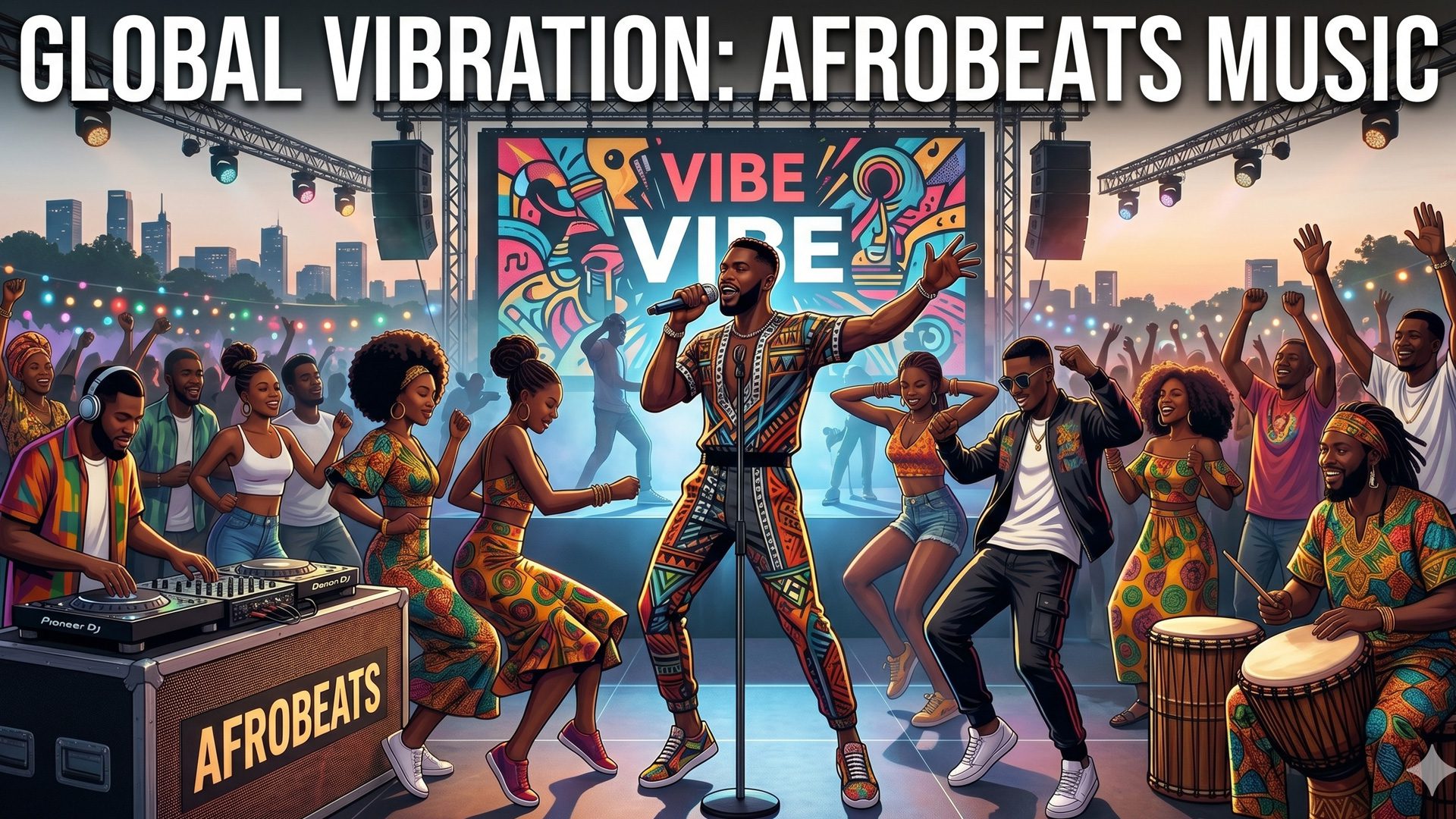
- Afrobeats: While a relatively recent phenomenon gaining international acclaim, Afrobeats is a fusion of various West African musical styles, characterized by its catchy rhythms and modern production.
- Highlife: A genre that emerged in the early 20th century, Highlife blends traditional African rhythms with Western jazz and swing influences. It remains popular for its melodic qualities and often socially conscious lyrics.
- Fuji and Juju: These genres, originating from the Yoruba culture, are characterized by intricate percussion, call-and-response vocals, and often poetic lyrics. Juju music, in particular, has gained international recognition.
- Traditional Instruments: The talking drum (gan’dugú) can mimic speech patterns, while the goje (a one-stringed violin) and various percussive instruments create unique soundscapes.
The Art of Dance
- Energetic and Expressive: Nigerian dances are often characterized by their dynamism, intricate footwork, and expressive movements of the torso and hands. Dances are integral to almost all festivals and ceremonies.
- Storytelling through Movement: Many dances are narrative, depicting historical events, mythological stories, or daily life activities. The movements themselves convey meaning and emotion.
The Enduring Power of Oral Tradition
- Proverbs and Riddles: These are not just linguistic curiosities; they are concise capsules of wisdom, teaching moral lessons and offering insights into the nuances of life. They are often used in everyday conversation to make a point or add humor.
- Folktales and Legends: Passed down from generation to generation, these stories preserve history, explain natural phenomena, and impart ethical values. They are a fundamental way of educating younger generations.
- Poetry and Spoken Word: The tradition of spoken word and poetic recitation is strong, with performers often weaving intricate narratives and delivering powerful messages.
Conclusion: A Culture in Constant Evolution
Nigerian culture is not a relic of the past; it is a living, breathing entity that is continuously evolving, adapting to new influences while holding onto its core values. It’s a testament to resilience, creativity, and a profound sense of belonging. Exploring it means engaging with a rich heritage that continues to shape the present and inspire the future.
Trending Destinations
Travel Vlogger

news via inbox
Unlock your exclusive access. > Don't miss out! Drop your email below for early event registration, insider news, and perks you won't find anywhere else.