Exploring the Vibrant Culture of Nigeria in Africa
Nigeria boasts a culture that’s a rich tapestry woven from a multitude of ethnic groups, each contributing its unique threads to the nation’s vibrant identity. If you’re wondering what makes Nigerian culture so compelling, it boils down to a few key elements: its incredible diversity in languages and traditions, a profound sense of community and family, a dynamic artistic expression spanning music, film, and literature, delicious and varied cuisine, and a deep spiritual core that influences daily life. It’s this complex interplay of factors that creates a culture that is as resilient and creative as it is welcoming.
Nigeria is home to over 250 ethnic groups, each with its own distinct language, customs, and history. This immense diversity isn’t just a demographic fact; it shapes every aspect of Nigerian life, from social structures to artistic output.
The Big Three: Hausa, Yoruba, and Igbo
While there are countless smaller groups, three major ethnic blocks stand out due to their historical prominence and population size: the Hausa in the north, the Yoruba in the southwest, and the Igbo in the southeast.
The Hausa People
Predominantly found in the northern regions, the Hausa are known for their strong Islamic traditions, intricate textile designs, and a history as traders and scholars. Their history is deeply intertwined with the ancient city-states of Kano and Katsina, centers of learning and commerce for centuries. Architectural styles in the north often reflect this historical influence, with a focus on courtyards and earth-based materials.
The Yoruba People
Inhabiting the southwestern part of Nigeria, the Yoruba are celebrated for their sophisticated Yoruba kingdoms, rich oral traditions, and influential artistic heritage. Their spiritual system, with deities like Orunmila, Ogun, and Osun, has spread beyond Nigeria’s borders. Yoruba art, particularly in bronze casting and sculpture, has gained international acclaim. The structure of their traditional society often involved complex chiefdoms and a strong reverence for elders.
The Igbo People
The Igbo, located in the southeastern part of the country, are known for their entrepreneurial spirit, egalitarian social structures, and distinctive masquerade traditions. Historically, they were less centralized than the Hausa or Yoruba, with village-based governance. Their resilience and adaptability are frequently cited as defining characteristics, and their impact on Nigerian literature and popular culture is significant.
Beyond the Major Groups: A Deeper Look
It’s crucial to remember that singling out the “big three” is a simplification. Hundreds of other groups, like the Fulani, Tiv, Efik, Ijaw, and Kanuri, contribute significantly to Nigeria’s cultural landscape.
The Fulani: Nomadic Heritage and Cultural Influence
The Fulani, a widely dispersed group with nomadic herding traditions, have a significant presence across northern Nigeria and West Africa. Their Islamic faith is central to their identity, and their oral traditions are rich with poetry and folklore. They have historically wielded considerable political and religious influence.
The Tiv and Ijaw: Distinct Traditions and Ways of Life
The Tiv, primarily in central Nigeria, have a unique kinship system and a strong tradition of oral storytelling and wrestling. The Ijaw, inhabiting the Niger Delta, are deeply connected to the water and have a rich tradition of fishing, boat building, and distinctive water-based rituals and festivals. Their challenges and resilience in the face of environmental changes are a significant part of their modern story.
Community and Kinship: The Heartbeat of Nigerian Society
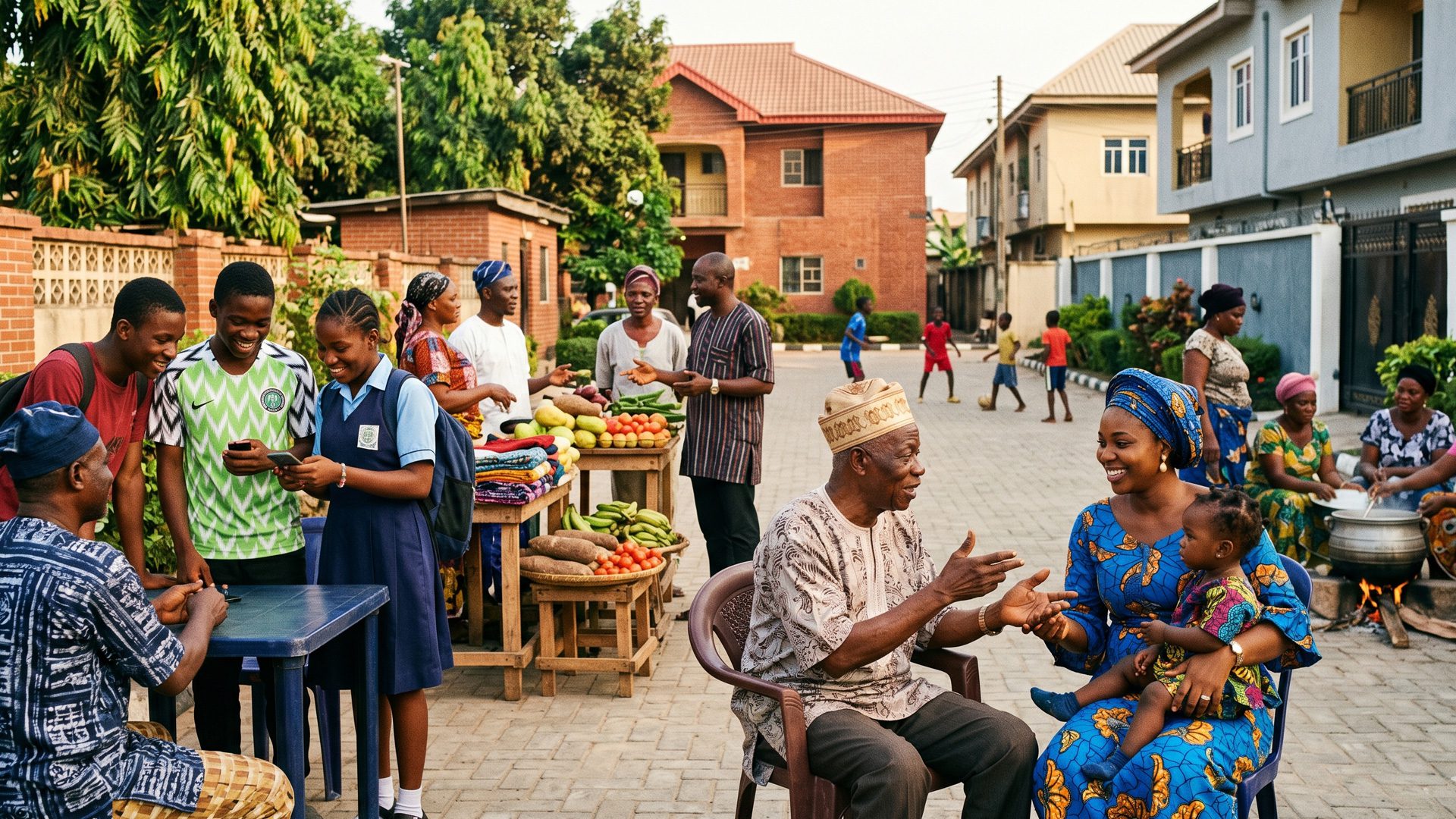
In Nigeria, the concept of community and extended family is paramount. Individual identity is often strongly tied to one’s family lineage and broader social group.
Extended Family as a Foundation
The extended family structure provides a crucial support network. It’s not uncommon for multiple generations to live together or in close proximity, sharing responsibilities and celebrations.
The Role of Elders
Elders are deeply respected and their wisdom is sought in decision-making processes, both within families and communities. Their word often carries significant weight, and passing down knowledge and traditions is a core responsibility.
Communal Living and Mutual Support
Many Nigerian communities operate on principles of mutual support. Helping neighbors, contributing to community projects, and caring for those in need are deeply ingrained values. This collective spirit is a powerful force that helps navigate challenges.
Naming Conventions and Identity
Names in Nigeria are rarely chosen arbitrarily. They often carry meanings, reflecting parental hopes, circumstances of birth, or ancestral connections.
Meaningful Names
Understanding the meaning behind a Nigerian name can offer a glimpse into the family’s history, beliefs, or aspirations for the child. A name might honor an ancestor, describe a personal quality, or express gratitude.
Societal Roles and Expectations
These familial and community ties often shape societal roles and expectations. There’s a strong emphasis on contributing to the family unit and upholding its reputation. This can influence career choices, marriage decisions, and social interactions.
A Flourishing of the Arts: Expression and Innovation

Nigeria is a powerhouse of artistic creativity, with its music, film, and literature gaining global recognition. This creative energy is a vital part of the national identity.
The Global Phenomenon of Nigerian Music
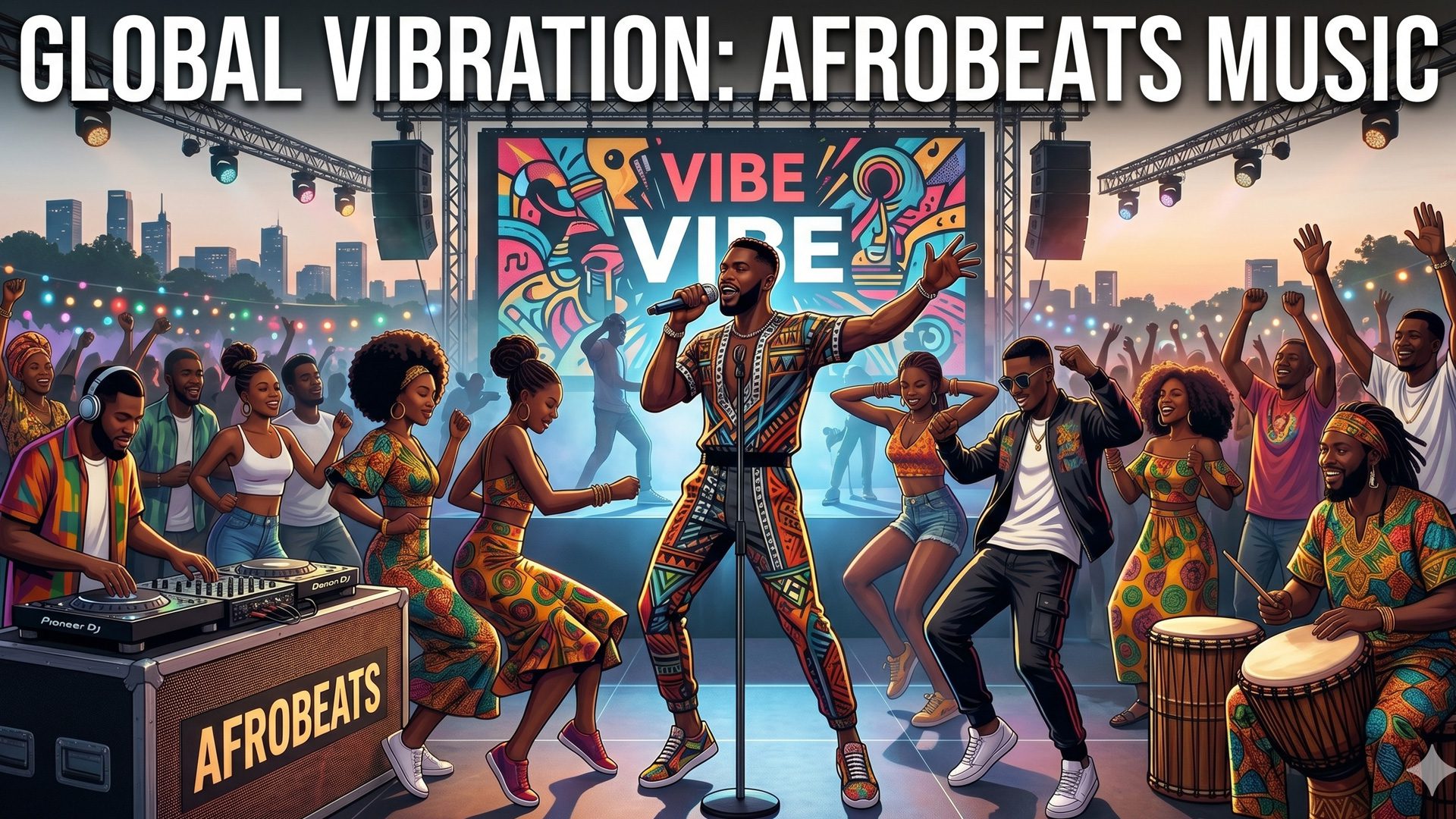
Nigerian music, particularly Afrobeat and Afrobeats, has taken the world by storm. Artists are blending traditional rhythms with contemporary sounds to create infectious and globally appealing music.
The Roots of Afrobeat
Pioneered by artists like Fela Kuti, Afrobeat is characterized by its lengthy improvisational instrumental sections, complex rhythms, and politically charged lyrics. It emerged in the late 1960s and early 1970s as a powerful voice for social commentary.
The Rise of Afrobeats
Afrobeats, a more modern derivative, is highly diverse, incorporating influences from hip-hop, R&B, and dancehall. Artists like Wizkid, Burna Boy, and Tiwa Savage have achieved massive international success. This genre is known for its catchy melodies and danceable rhythms, making it popular across diverse audiences.
Nollywood: The Nigerian Film Industry
Nollywood is the second-largest film industry in the world by volume, producing thousands of movies annually. It’s known for its rapid production cycles, compelling storytelling, and reflection of everyday Nigerian life.
Storytelling on Screen
Nollywood films often tackle a wide range of themes, from romance and family drama to social issues and economic struggles. The industry provides a platform for diverse Nigerian narratives to be shared.
Accessibility and Impact
The industry’s accessibility, with films often distributed on DVD and now increasingly online, has made it a significant cultural force both within Nigeria and in the diaspora. It offers a window into Nigerian culture for a global audience.
Literary Voices: From Chinua Achebe to Chimamanda Ngozi Adichie
Nigerian literature boasts a rich history, with Nobel laureates and internationally acclaimed authors exploring themes of identity, colonialism, and human experience.
The Legacy of Chinua Achebe
Chinua Achebe’s Things Fall Apart is a seminal work that offers a powerful portrayal of pre-colonial Igbo society and the impact of British colonialism. It’s considered a foundational text in modern African literature.
Contemporary Literary Giants
Authors like Chimamanda Ngozi Adichie have continued this tradition, gaining global acclaim for novels that explore feminism, Nigerian identity, and the complexities of modern life. Her work often delves into the nuances of personal relationships and societal expectations.
Poetry and Spoken Word
Beyond novels, Nigerian poetry and spoken word performances are vibrant art forms, offering sharp social commentary and deeply personal reflections. These performances often carry a strong oratorical tradition.
A Feast for the Senses: Nigerian Cuisine

Nigerian food is a celebration of bold flavors, fresh ingredients, and communal dining. Each region offers its own unique culinary specialties.
Staples and Flavors
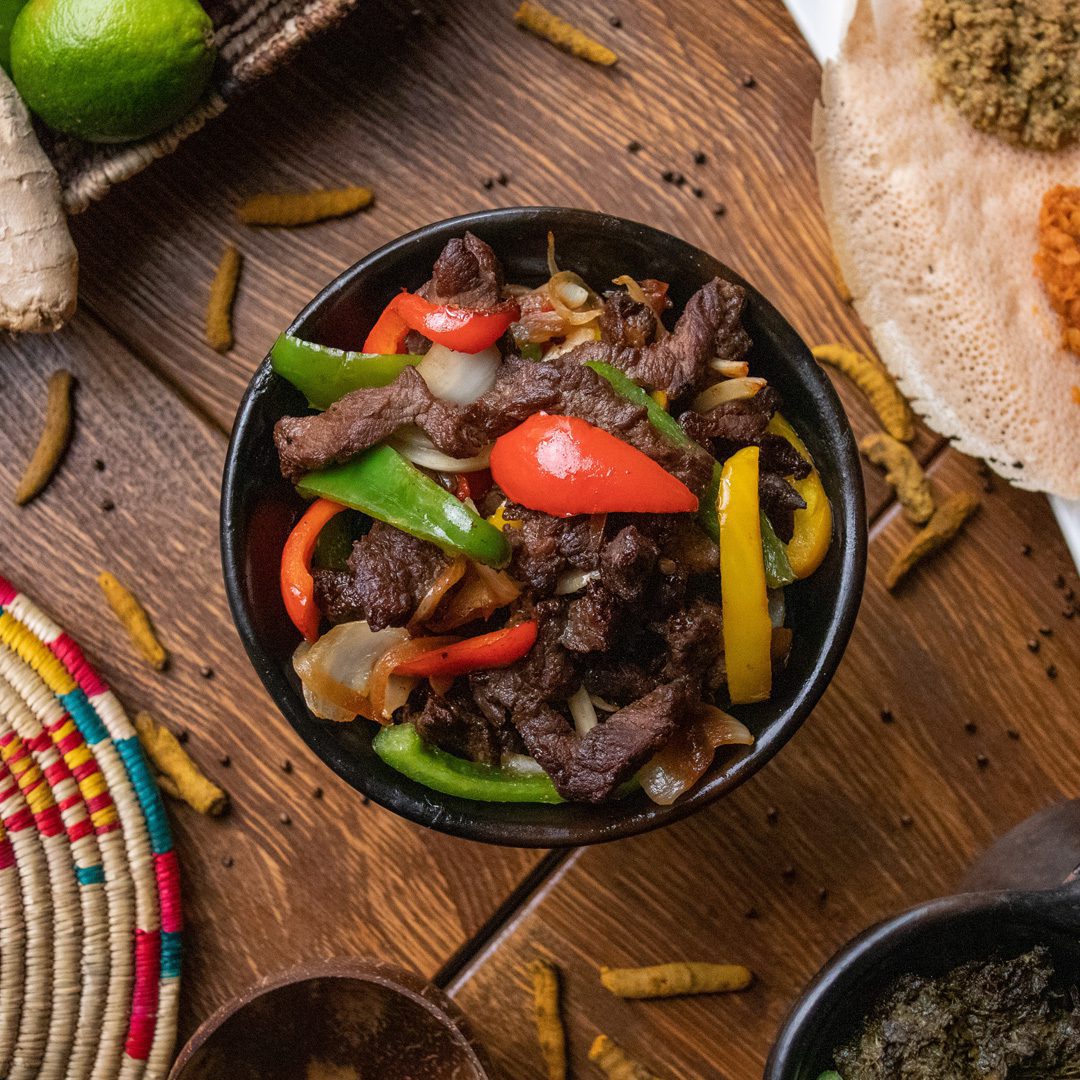
Rice, yams, and cassava are common staples, often prepared in a multitude of ways. The base for many dishes involves tomatoes, onions, and peppers, creating a rich and spicy foundation.
Jollof Rice: A National Treasure
Jollof rice is arguably Nigeria’s most famous dish, a flavorful one-pot rice dish cooked in a rich tomato and pepper sauce. While its origins are debated, it’s a celebratory dish enjoyed everywhere.
Pounded Yam and Egusi Soup
Pounded yam, a dense paste made from boiled yams, is a classic accompaniment to a variety of soups. Egusi soup, made from ground melon seeds, is a popular and nutritious choice, often featuring leafy vegetables and meat.
Suya: Street Food Favorite
Suya, a type of grilled skewered meat, is a beloved street food. Marinated in spices and grilled over an open flame, it offers a smoky, spicy, and incredibly flavorful experience.
Regional Specialties
The diverse ethnic makeup of Nigeria is reflected in its regional cuisines.
Northern Delights
In the north, dishes like Tuwon Shinkafa (rice pudding) and Dan Wake (bean dumplings) are common. The use of spices like ginger and garlic is prominent in many northern dishes.
Southern Flavors
The south offers a wealth of seafood dishes, often with a focus on plantains and starchy vegetables. Groundnut soup and Banga soup (made from palm fruit extract) are popular choices.
Eastern Tastes
Eastern Nigerian cuisine often features fufu (a dough made from cassava or plantain) served with various flavorful soups like Ofe Nsala (white soup) and Afang soup.
Spirituality and Belief Systems: Guiding Principles
| Aspect of Culture | Description |
|---|---|
| Language | Nigeria is home to over 500 languages, with the most widely spoken being Hausa, Yoruba, and Igbo. |
| Religion | Nigeria has a diverse religious landscape, with Christianity and Islam being the two dominant religions. |
| Art and Music | Nigerian culture is rich in traditional art, music, and dance, with various ethnic groups showcasing their unique forms of expression. |
| Cuisine | Nigerian cuisine is diverse and includes dishes such as jollof rice, suya, and fufu, reflecting the country’s cultural diversity. |
| Clothing | Traditional Nigerian clothing varies by ethnic group, with colorful fabrics and intricate designs being a common feature. |
Religion plays a significant role in the lives of many Nigerians, influencing daily practices, social norms, and major life events.
The Influence of Islam and Christianity
Nigeria is divided between two major Abrahamic faiths: Islam, predominantly in the north, and Christianity, primarily in the south. Both religions have a profound impact on cultural practices and values.
Islamic Traditions in the North
In predominantly Muslim areas, daily prayers, Ramadan fasts, and Islamic festivals are integral to community life. Mosques are important centers for both worship and social gathering.
Christian Practices in the South
Christianity informs many aspects of life in the south, including church attendance, Christmas and Easter celebrations, and the role of faith in public discourse. Numerous denominations are present.
Traditional Beliefs and Syncretism
Alongside Islam and Christianity, many Nigerians also hold onto or integrate aspects of traditional indigenous religious beliefs. This often results in a blending of practices, known as syncretism.
Ancestral Worship and Orishas
Traditional beliefs often involve reverence for ancestors and a pantheon of deities, or Orishas, who are seen as intermediaries between the human and divine realms. These beliefs are deeply rooted in the history of various ethnic groups.
The Spiritual Realm in Daily Life
The spiritual realm is often seen as an active force influencing worldly events. Rituals, prayers, and offerings are common ways to seek favor, protection, or guidance from both traditional deities and the Abrahamic God.
Modern Nigeria: Navigating Time-Honored Traditions and Global Influences
Contemporary Nigerian culture is a fascinating blend of deeply rooted traditions and the ever-present influence of global trends. Navigating this dynamic landscape is central to understanding the nation today.
The Digital Age and Cultural Exchange
The internet and social media have become powerful tools for cultural dissemination and exchange. Younger Nigerians, in particular, are adept at leveraging these platforms to share their creativity and connect with the world.
Online Communities and Global Reach
Nigerian artists, creators, and entrepreneurs are using digital spaces to build global audiences for their work. This has allowed for a new wave of cultural export that bypasses traditional gatekeepers.
The Blending of Traditional and Modern
This digital influence doesn’t erase traditional values but often leads to innovative ways of expressing them. For instance, traditional storytelling might find new life in short online videos or vlogs.
Social Change and Evolving Norms
Nigeria, like any nation, is constantly grappling with social change. Issues like gender equality, youth empowerment, and economic development are continually shaping cultural dialogues.
The Role of Youth
Young Nigerians are increasingly vocal about their aspirations and their desire to shape their own futures. This energy is a driving force behind many social and cultural movements.
Challenges and Resilience
Periods of economic hardship or political instability are met with remarkable resilience. The Nigerian spirit of determination and adaptability remains a defining characteristic.
The Nigerian Diaspora: A Cultural Bridge
The significant Nigerian diaspora scattered across the globe plays a vital role in maintaining and evolving Nigerian culture. They act as cultural ambassadors, sharing their heritage and influencing trends both at home and abroad.
Maintaining Connections
Through music, food, and social networks, the diaspora works to keep Nigerian traditions alive. Festivals and cultural events organized by these communities reinforce a sense of shared identity.
Influencing Global Trends
Conversely, the experiences and perspectives of Nigerians abroad often feed back into the cultural landscape of Nigeria, influencing artistic output and societal conversations.
Trending Destinations
Travel Vlogger

news via inbox
Unlock your exclusive access. > Don't miss out! Drop your email below for early event registration, insider news, and perks you won't find anywhere else.