Preserving Nigerian Tradition: Embracing Cultural Heritage
Keeping Nigerian Traditions Alive: Practical Ways to Embrace Our Cultural Heritage
So, how do we actually keep Nigerian traditions alive in today’s fast-paced world? It’s a question many of us ponder. The answer isn’t about rigid adherence to every single custom or living in the past. Instead, it’s about finding meaningful ways to connect with our heritage, adapt it for modern life, and pass it on to the next generation. It involves a conscious effort, a willingness to learn, and a recognition of the value our traditions bring. This isn’t about grand pronouncements; it’s about the everyday actions that anchor us to who we are.
Before we can preserve anything, we need a clear picture of what “Nigerian tradition” actually means. It’s not one monolithic entity. Nigeria is a country brimming with diverse ethnic groups, each with its own unique customs, languages, and histories. Trying to define a single “Nigerian tradition” is like trying to hold water in your hand. What we’re really talking about is a collection of cultural practices, beliefs, and artistic expressions that have been passed down through generations.
The Rich Tapestry of Nigerian Cultures
Nigeria is home to over 250 ethnic groups, including the Hausa, Igbo, Yoruba, Fulani, Efik, Ibibio, Tiv, and many more. Each group contributes a distinctive thread to the national cultural fabric. These differences manifest in everything from culinary practices and traditional attire to storytelling and religious beliefs. Understanding this diversity is the first step in appreciating the depth and breadth of what we are trying to preserve. It means acknowledging that “our tradition” might differ significantly from “their tradition,” and that’s a strength, not a weakness.
The Evolution of Tradition
Traditions aren’t static. They are living things that adapt and change over time. What was a vital practice a century ago might be less relevant today, and new practices emerge as societies evolve. Preservation doesn’t mean freezing traditions in time. It means understanding their historical context, recognizing their original purpose, and finding ways for them to remain meaningful and relevant in the present. This allows traditions to grow and thrive, rather than wither away.
The Importance of Oral History
Much of Nigerian heritage has been transmitted orally. Storytelling, proverbs, songs, and communal gatherings have been the primary vehicles for passing down knowledge, values, and history. This oral tradition is incredibly rich and nuanced. Preserving it involves actively listening, documenting (where appropriate), and participating in these forms of cultural transmission. It’s about valuing the wisdom of elders and the stories they carry.
Practical Steps for Daily Living
Preserving tradition shouldn’t feel like a chore or an academic exercise. It’s about weaving cultural elements into the fabric of our daily lives. These are achievable actions that can make a significant difference.
Incorporating Traditional Foods
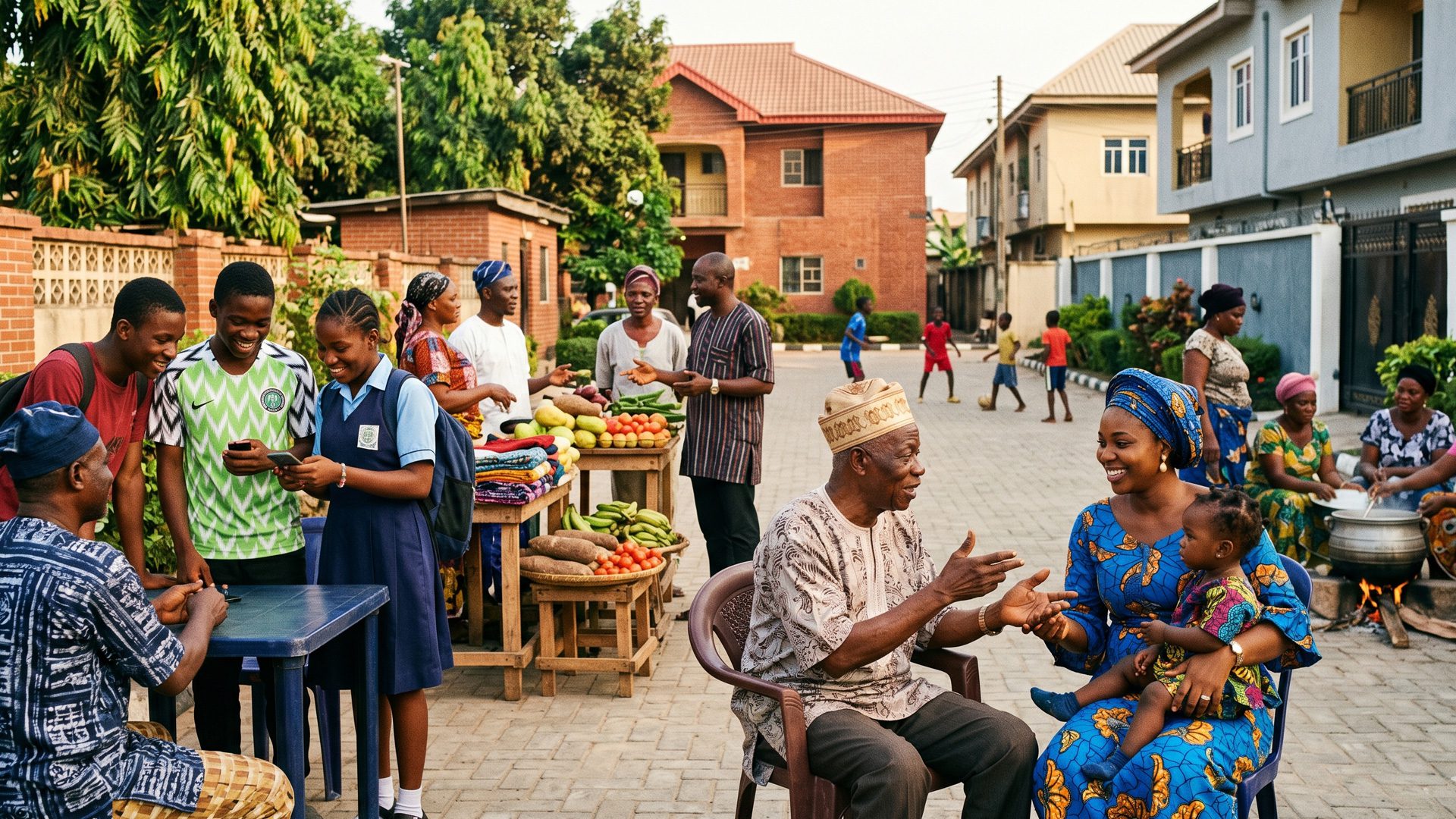
Food is a powerful connector to our heritage. Many Nigerian dishes are deeply rooted in tradition, using specific ingredients and preparation methods passed down through families. Making an effort to cook and share these meals is a straightforward way to keep traditions alive.
Family Recipes and Cooking Sessions
Seek out those cherished family recipes. Ask your grandparents or parents for their signature dishes. Even better, cook together. This hands-on experience not only preserves the recipe but also creates valuable memories and strengthens intergenerational bonds. Learning the techniques, the ingredients, and the stories behind the food makes the experience richer.
Exploring Indigenous Ingredients
Beyond just recipes, let’s rediscover indigenous ingredients. Many of these are not only nutritious but also have cultural significance. Supporting local farmers who grow these ingredients also plays a role in their continued cultivation and availability. Think of staples like yam, cassava, various grains, and indigenous leafy vegetables, each with its own culinary history.
Embracing Traditional Attire and Adornment
Clothing is a visual representation of culture. Traditional Nigerian attire is known for its vibrant colors, intricate designs, and symbolic meanings. Wearing traditional clothing for appropriate occasions is a visible act of cultural pride.
Modernizing Traditional Outfits
This doesn’t mean you have to wear agbadas and iro and buba to the office every day. Consider how traditional fabrics and styles can be adapted for contemporary wear. A dashiki as a casual shirt, or incorporating Ankara prints into modern dress designs, are great examples. It’s about finding a balance between tradition and current fashion trends.
The Significance of Jewelry and Accessories
Traditional jewelry, beads, and accessories often carry deep cultural and symbolic meaning. Understanding these meanings and incorporating them into personal style can be a subtle yet powerful way to express heritage. These adornments are often more than just decoration; they tell stories of status, lineage, or spiritual beliefs.
Language Preservation and Promotion
Language is intrinsically linked to culture and identity. When a language is lost, a significant part of the cultural heritage associated with it is also lost. Actively using and promoting indigenous languages is crucial.
Speaking in Local Dialects
Make an effort to speak your native language or dialect, especially with family members who are fluent. Encourage children to learn and speak it. Even if your fluency isn’t perfect, the effort matters. This could involve regular conversations, using it at home, or attending cultural events where the language is spoken.
Incorporating Proverbs and Idioms
Proverbs and idioms are repositories of cultural wisdom and often encapsulate complex ideas in concise, memorable phrases. Learning and using these expressions adds depth and richness to communication, connecting you to the traditional way of expressing oneself. They offer a unique lens through which to view the world.
Education and Intergenerational Transmission

Passing on knowledge about traditions to younger generations is paramount for their survival. This requires dedicated effort in how we educate and share.
Storytelling and Folklore
Traditional stories, myths, and folktales are invaluable tools for teaching cultural values, history, and moral lessons. Making time for storytelling sessions can be incredibly engaging for children and adults alike.
Animated Storytelling and Performance
Bring stories to life. Use different voices, gestures, and even simple props to make the experience more dynamic. Consider acting out scenes or encouraging children to retell the stories in their own words. This active engagement solidifies their understanding and appreciation.
Documenting Local Legends
If there are particular local legends or historical accounts unique to your community, try to document them. This could be through writing them down, recording audio or video interviews with elders, or creating visual presentations. This creates a permanent record that can be shared.
Arts and Crafts as Cultural Connectors
Traditional arts and crafts are tangible expressions of cultural identity. Learning these skills and participating in creative processes helps keep these traditions vibrant.
Workshops and Skill-Sharing
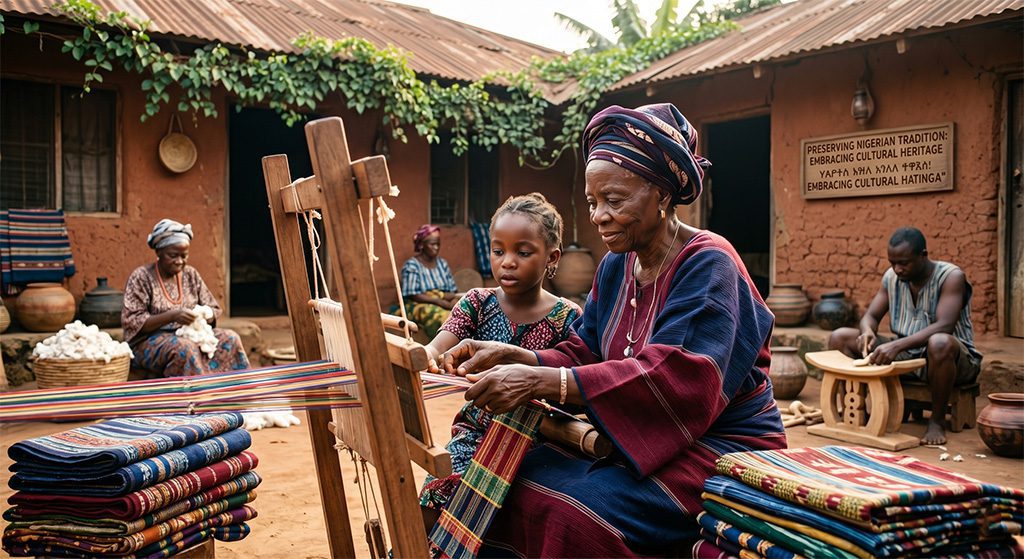
Organize or attend workshops where traditional crafts like pottery, weaving, beadwork, or carving are taught. This provides a structured environment for learning and for hands-on practice. Sharing these skills between generations is especially impactful.
Appreciating Traditional Art Forms
Beyond just making things, take the time to appreciate existing traditional art. Visit museums, cultural centers, and art exhibitions that showcase Nigerian art. Understand the techniques, the materials, and the meanings behind the pieces. This fosters a deeper respect for the craftsmanship involved.
Revitalizing Cultural Practices and Celebrations

Many traditions are tied to specific festivals, ceremonies, and communal gatherings. Revitalizing these events ensures their continued practice and relevance.
Honoring Traditional Festivals
Nigeria has a rich calendar of traditional festivals, celebrated by different ethnic groups for various reasons – harvest, religious observances, historical events, or rites of passage. Participating in and supporting these festivals is crucial.
Understanding the Significance
Before participating, take the time to understand the historical, spiritual, and social significance of each festival. This knowledge enhances the experience and fosters a deeper appreciation for the cultural roots of the celebration. What do the rituals symbolize? What is the origin story?
Adapting for Modern Participation
While maintaining the core essence, consider how festivals can be made more accessible and engaging for a contemporary audience. This might involve incorporating modern music alongside traditional performances, or finding ways to involve younger generations more actively in the planning and execution.
The Role of Music and Dance
Music and dance are powerful expressions of culture, often integral to ceremonies and daily life. Traditional rhythms and movements convey stories, emotions, and a sense of community.
Learning Traditional Music and Dance Forms
Seek out opportunities to learn traditional drumming, singing, or dancing. This could be through community groups, cultural organizations, or even online resources. Engaging in these activities is a joyous way to connect with heritage.
Preserving Traditional Instruments
Many traditional instruments are unique and have specific acoustic qualities. Learning about these instruments, their construction, and how to play them is vital for preserving this aspect of musical heritage. Supporting artisans who still craft these instruments is also important.
Digitalization and Modern Technologies
| Tradition | Description |
|---|---|
| Attire | Nigerian traditional attire varies by region and ethnic group, with popular styles including the Yoruba Aso Oke and the Igbo George wrapper. |
| Food | Nigerian traditional cuisine includes dishes like Jollof rice, Egusi soup, and Suya, reflecting the diverse culinary traditions of the country. |
| Music and Dance | Nigerian traditional music and dance are vibrant and diverse, with popular genres including Juju, Highlife, and traditional dances like the Yoruba Bata dance. |
| Festivals | Nigeria is home to a wide range of traditional festivals, such as the Durbar festival in the north and the New Yam festival in the southeast, each with its own unique customs and celebrations. |
The digital age offers new avenues for preserving and sharing cultural heritage, making it accessible to a wider audience, both within Nigeria and globally.
Creating Digital Archives
Digitizing cultural artifacts, historical documents, and oral histories can create accessible archives that safeguard knowledge and prevent loss over time.
Online Platforms for Cultural Content
Develop or utilize online platforms that showcase Nigerian traditions. This could involve websites, social media pages, or dedicated apps featuring articles, videos, images, and audio recordings of traditional practices.
Virtual Tours and Experiences
Imagine taking a virtual tour of a historical Igbo village or experiencing a Yoruba festival through immersive video. These technologies can bring cultural heritage to life for people who cannot physically be present. They break down geographical barriers.
Social Media as a Cultural Ambassador
Social media can be a powerful tool for raising awareness and fostering engagement with Nigerian traditions.
Sharing Authentic Content
Regularly share high-quality content that highlights different aspects of Nigerian culture. This could be through photographs of traditional attire, short videos of traditional dances, snippets of oral histories, or explanations of cultural customs. Authenticity is key.
Engaging with Online Communities
Participate in online discussions and groups focused on Nigerian culture. This allows for the exchange of ideas, the sharing of knowledge, and the building of a supportive community dedicated to cultural preservation. It facilitates dialogue and learning.
The Wider Impact and Future Generations
Ultimately, preserving Nigerian tradition is about more than just keeping old ways alive; it’s about enriching our present and building a stronger future.
Fostering a Sense of Identity and Belonging
Understanding and embracing cultural heritage provides individuals, especially young people, with a strong sense of identity and belonging. It connects them to their roots and provides a framework for understanding their place in the world.
Promoting Cultural Tourism and Economic Opportunities
Rich cultural heritage can be a significant draw for tourism. Showcasing and preserving traditions can lead to economic benefits for communities through cultural tourism, craft industries, and the sale of traditional products.
Building Bridges and Mutual Understanding
The deliberate sharing of cultural heritage can foster greater understanding and appreciation between different groups within Nigeria and with the global community. It helps to break down stereotypes and build bridges of connection. It allows others to see the richness and complexity of our heritage.
Preserving Nigerian tradition is an ongoing, dynamic process. It requires commitment, creativity, and a willingness to adapt. By embracing our cultural heritage in practical, meaningful ways, we ensure that its richness and wisdom continue to shape Nigeria for generations to come.
Trending Destinations
Travel Vlogger

news via inbox
Unlock your exclusive access. > Don't miss out! Drop your email below for early event registration, insider news, and perks you won't find anywhere else.