Exploring Nigerian Culture: The Beauty of Traditional Marriage
Nigerian traditional marriage is a vibrant tapestry woven with deep respect for family, community, and ancestral customs. It’s not just about two people tying the knot; it’s a celebratory union of two families, marked by age-old rituals that solidify bonds and welcome new members.
Nigerian traditional marriage is a multifaceted affair, varying significantly from one ethnic group to another. However, common threads bind these diverse practices. They generally emphasize the importance of introductions, formal proposals, dowry negotiations, and a series of ceremonies that signify the couple’s official transition into married life.
The Importance of Family
Parental Consent and Blessing
In most Nigerian cultures, parental consent isn’t just a formality; it’s a cornerstone of a valid marriage. The groom’s intention to marry must be presented to the bride’s parents, who will then consult with their elders. The approval and blessings of both families are paramount, ensuring the union is sanctioned by tradition and community. This involvement underscores the communal nature of marriage, extending beyond the individual couple.
Extended Family Roles
The extended family plays a significant role throughout the marriage process. Uncles, aunts, cousins, and even distant relatives are often involved in the deliberations, ceremonies, and ongoing support of the newly married couple. These roles are not merely ceremonial; they often involve practical advice, financial assistance, and dispute resolution.
The “Knocking” or Introduction Ceremony
This is typically the first formal step. The groom’s family, usually accompanied by elders and significant figures, visits the bride’s family. The primary purpose is to formally introduce the groom and his intentions to marry their daughter. This is a crucial stage for gauging the bride’s family’s receptiveness and for both families to begin establishing a rapport.
Who Attends the Knocking Ceremony?
Typically, the groom, his father or a respected elder male relative, his mother or a respected female elder, and a few other key family members will attend. The bride’s parents, siblings, and other close relatives will be present. The number of attendees can vary depending on the family’s prominence and regional customs.
What Happens During the Knocking Ceremony?
The groom’s spokesperson, often an older, articulate family member, will formally state their purpose. They will express the groom’s admiration for the bride and his desire to seek her hand in marriage. The bride’s family will respond, and if they are receptive, they may formally welcome the groom’s delegation. Gifts, though not always expensive, are often exchanged as a sign of goodwill.
The Dowry: More Than Just a Price
The concept of dowry in Nigeria is often misunderstood in Western contexts. It’s not a purchase price for the bride, but rather a symbolic gesture of the groom’s ability to provide for his wife and a testament to the value the bride’s family places on their daughter. The specifics of dowry vary immensely, and in some communities, it’s more symbolic than monetary.
Negotiation and Agreement
The dowry is typically negotiated between the two families. This often involves a list of items or a sum of money that the groom’s family is expected to provide. This negotiation can be a lengthy process, involving discussions about the bride’s education, skills, and the groom’s financial standing. The aim is to reach a consensus that satisfies both parties and reflects the perceived value of the union.
Types of Dowry
Dowry can take various forms:
- Monetary: A fixed sum of money.
- Lardner/Items: A list of specific goods, which can include clothing, jewelry, household items, or livestock.
- Symbolic Gifts: Items that hold cultural significance within the specific ethnic group.
- Services: In some rare cases, the groom might be expected to perform certain services for the bride’s family.
The Significance of the Dowry
The dowry signifies the groom’s commitment and his readiness to take on the responsibilities of marriage. It also represents the bride’s family’s investment in raising their daughter and their faith in the groom’s ability to care for her. It’s a tangible representation of the seriousness of the marital union.
Pre-Wedding Ceremonies: Building Anticipation

Before the main wedding day, a series of pre-wedding ceremonies often take place, each with its own distinct purpose and significance. These events serve to formally engage the couple, involve the community, and prepare everyone for the upcoming union.
The Introduction of the Suitor’s Family (if not done earlier)
In some traditions, a more formal introduction of the groom’s extended family occurs after the initial “knocking.” This allows a wider circle of the groom’s relatives to meet and be formally introduced to the bride’s family, further solidifying the alliance between the two families.
The Engagement Ceremony (Igbeyawo/Aso Ebi preparations)
This marks the official engagement of the couple. While the Western concept of a ring is present in some cultures, the Nigerian engagement often involves more communal rituals and the formal exchange of gifts. The wearing of a wedding band is becoming more prevalent but isn’t always a defining element of traditional engagement. Preparations for “Aso Ebi” (matching fabric worn by guests) often begin around this time, signifying the unity of those involved in the celebration.
The Role of the “Engagement Ring”
While a formal engagement ring might be exchanged in some modern interpretations, traditionally, this aspect of engagement might have been absent or replaced by betrothal gifts exchanged between the families. Its presence now is often a blend of tradition and contemporary influences.
Presentation of Gifts
The groom’s family presents gifts to the bride’s family. These gifts can be substantial and are often agreed upon during the dowry negotiations. They are a public acknowledgment of the groom’s intentions and a token of respect to the bride’s family.
The Bridal Shower/Bachelorette Party (Modern Influence)
While not a strictly traditional element in many older forms of marriage, modern influences have led to the adoption of bridal showers and bachelor parties. These are generally more lighthearted gatherings.
The Bachelor’s Eve/Groom’s Party (Modern Influence)
Similar to the bridal shower, these are more contemporary additions. They are often opportunities for the groom and his close friends to spend some time together before the wedding.
The Wedding Day(s): A Celebration of Union

The wedding day is the crescendo of the traditional marriage process. It’s a festive culmination of all the preceding rituals, often spanning multiple days and involving elaborate ceremonies, feasting, and dancing. The specific ceremonies and their order vary greatly.
The Groom’s Arrival and Ceremony
The groom’s arrival at the bride’s family home or the wedding venue is usually a grand affair, often accompanied by music, dancing, and his own entourage. The ceremonies that follow will depend on the ethnic group.
Traditional Music and Dance
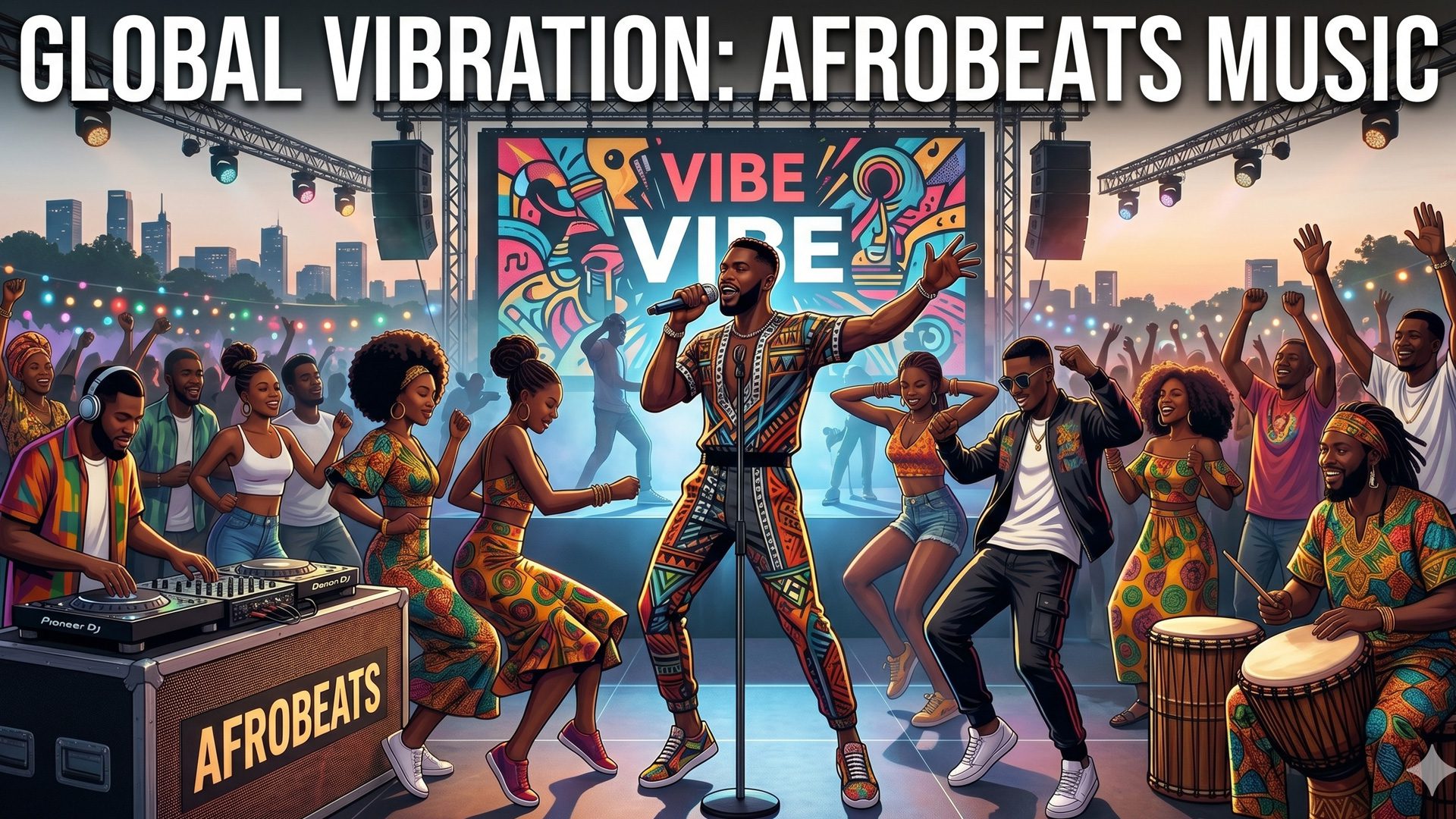
Music and dance are integral to almost all Nigerian traditional weddings. Different drums, stringed instruments, and vocal styles are used to create a vibrant and celebratory atmosphere. The rhythmic movements and energetic dances reflect the joy and unity of the occasion.
Groom’s Entourage (Gbala/Alaga)
The groom often arrives with a designated group of individuals, sometimes called ‘Gbala’ (in some Igbo traditions) or ‘Alaga’ (in Yoruba traditions), who are responsible for leading the proceedings and representing him. These are usually older, respected individuals.
The Bride’s Presentation and Giving Away
The bride is presented to the groom and his family, often in a beautifully adorned state. The act of “giving away” the bride, while symbolic, is a significant moment, signifying her transition from her parental home to her new family.
The Bride’s Attire
Traditional bridal attire can be incredibly diverse and stunning. From the rich kente cloth of the Edo or Yoruba to the intricately woven fabrics of the Igbo, the bride’s dress is usually a reflection of her cultural heritage and societal status. Intricate beadwork, headties, and elaborate jewelry are often part of the ensemble.
The Role of the “Alaga Iduro” or “Alaga Ijoko”
In Yoruba weddings, the ‘Alaga Iduro’ (master of ceremonies for the groom’s side) and ‘Alaga Ijoko’ (master of ceremonies for the bride’s side) play crucial roles. They are skilled orators and negotiators who guide the proceedings, entertain guests, and ensure the smooth flow of the ceremonies.
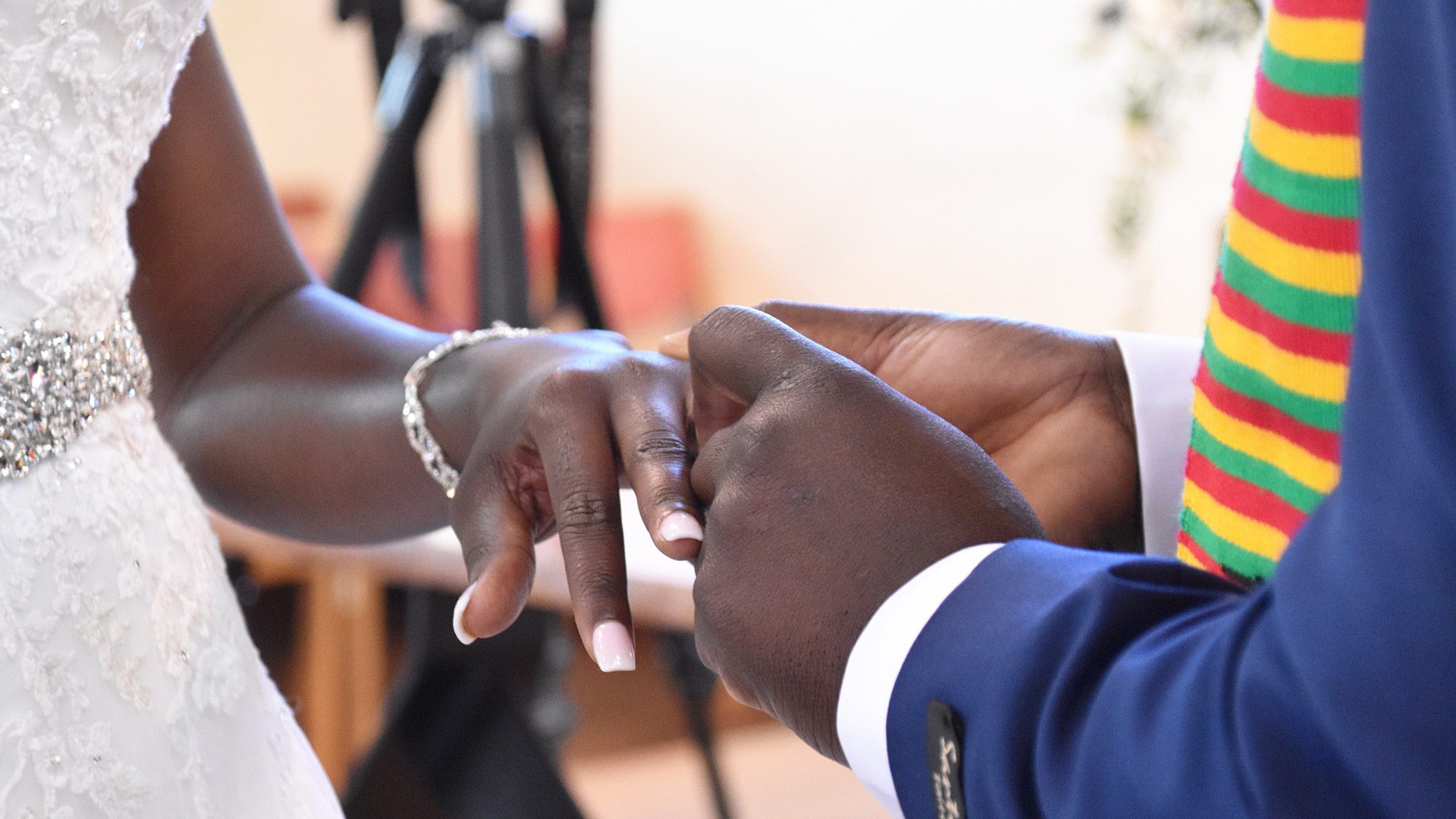
The Exchange of Vows and Rings (Modern Influence)
While not universally traditional, the exchange of vows and rings is now commonly incorporated into many Nigerian traditional weddings, influenced by Western practices. These elements often coexist with the more traditional rituals.
Symbolic Exchange of Gifts
Beyond the dowry, couples may exchange symbolic gifts on the wedding day itself, representing their love and commitment to each other.
The Marriage Feast and Celebration
Imam, Chief Priest, or Elder’s Blessing
Food and Refreshments
A Nigerian wedding is rarely complete without a lavish feast. A wide variety of traditional dishes are prepared and served to guests. This communal eating symbolizes the unity and prosperity of the new family. Popular dishes include Jollof rice, pounded yam, egusi soup, and various regional specialties.
Entertainment and Dancing
The celebration continues with music, dancing, and general merriment. It’s a time for both families and friends to come together, share their joy, and offer their blessings to the newlyweds.
Post-Wedding Customs: Integrating into a New Life
| Aspect | Description |
|---|---|
| Traditional Marriage | Involves various traditional rites and ceremonies such as the payment of bride price, exchange of gifts, and cultural performances. |
| Religious Influence | Marriage ceremonies often incorporate religious practices from Christianity, Islam, or traditional African religions. |
| Family Involvement | Marriage is seen as a union of families, and the involvement of both families in the marriage process is significant. |
| Diversity | Nigeria’s multicultural society results in diverse marriage customs and traditions across different ethnic groups. |
| Modern Trends | Urbanization and globalization have led to the adoption of modern wedding practices alongside traditional customs. |
The wedding day is just the beginning. Several post-wedding customs exist to ensure the smooth integration of the bride into her new family and home, as well as to solidify the ongoing relationship between the two families.
The Bride’s Departure and Arrival Home
The bride officially leaves her parental home to join her husband’s family. This departure is often emotional, with tearful goodbyes and blessings from her family. Her arrival at her new home is met with welcoming rituals.
The “Suiting” Ceremony
In some cultures, a formal ceremony where the bride is introduced to her new in-laws and the community takes place. This can involve blessings and offerings.
Welcoming the Bride into her New Home
The bride is welcomed into her husband’s home with specific customs intended to bless her and her new union. This might involve symbolic acts or prayers by the groom’s mother or an elder.
Blessings and Prayers
The groom’s family offers blessings and prayers for the couple’s fertility, prosperity, and happiness. These blessings are often led by elders and are considered very important for the couple’s future.
The Bride’s First Visit Home
After a period of settling into her new home, the bride usually makes a formal visit to her parental home. This visit is often a joyous occasion, where she can share news of her marital life and receive further blessings.
The “Ozugbo” or “Igbapata”
In some Igbo traditions, there’s a ceremony perhaps called “Ozugbo” or “Igbapata” where the bride, accompanied by her husband and his family, visits her maiden home. This confirms her good treatment and the continuation of the bond between the families.
Ongoing Family Relations
The traditional marriage establishes an enduring connection between the two families. There’s an expectation of continued interaction, support, and mutual respect throughout the couple’s married life. Traditional holidays and family events often serve as opportunities for these families to come together.
Cultural Nuances and Modern Adaptations
Nigerian culture is dynamic. Traditional marriage practices are not static; they evolve and adapt to contemporary influences while often retaining their core essence.
Ethnic Variations
It’s impossible to discuss Nigerian traditional marriage without acknowledging the immense diversity. The customs of the Yoruba people in the West differ significantly from those of the Igbo in the East, the Hausa in the North, or the various groups in the Middle Belt and South-South.
Language and Rituals
Each ethnic group has its unique set of rituals, chants, songs, and even specific languages used during the ceremonies. The meaning and symbolism embedded in these elements are deeply rooted in their history and worldview.
Influence of Christianity and Islam
The advent of Christianity and Islam in Nigeria has also influenced traditional marriage practices. Many couples now choose to have both traditional ceremonies and religious wedding services. This often leads to a blend of customs, where aspects of traditional rituals are incorporated into religious ceremonies, or vice versa.
Dual Ceremonies
It is increasingly common for couples to have a civil wedding, followed by a traditional ceremony, and then a religious service such as a church wedding or an Islamic Nikah. The order and emphasis on each can vary based on the couple’s preferences and their families’ traditions.
Modern Trends and Globalization
Globalization and increased exposure to Western cultures have introduced new elements into Nigerian traditional marriages. While some might view these as dilutions, they are often seen as adaptations that make the traditions relevant to younger generations.
“White” Weddings
The white wedding, a Western-style church ceremony followed by a reception, is a popular choice for many Nigerian couples, often in addition to their traditional ceremonies. This reflects a desire to integrate modern aspirations with cultural roots.
Destination Weddings and Elopements
While less common for the traditional aspect, some modern Nigerian couples might opt for simpler traditional ceremonies and then have a separate, more elaborate “white” wedding or even elope for the civil aspect.
The Enduring Significance
Despite all the adaptations, the core principles of Nigerian traditional marriage—respect for elders, the importance of family, community involvement, and the commitment to building a new family unit—remain strong. It’s a testament to the enduring values that shape Nigerian society. The beauty lies in this ability to embrace the new while honoring the old, creating a rich and meaningful path to married life.
Trending Destinations
Travel Vlogger

news via inbox
Unlock your exclusive access. > Don't miss out! Drop your email below for early event registration, insider news, and perks you won't find anywhere else.