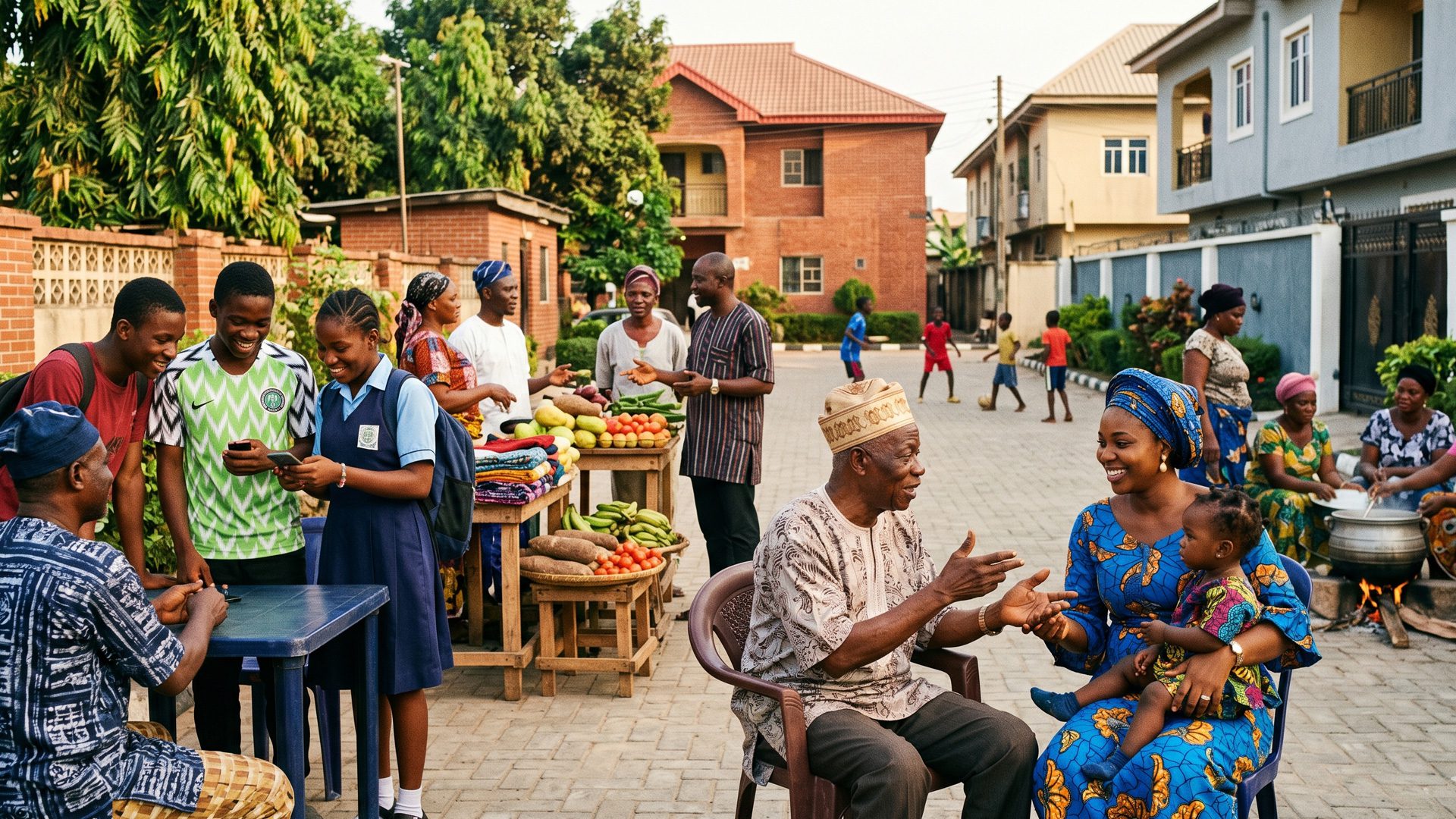

Embracing Authentic Nigerian Lifestyle
Are you considering adopting a more genuine Nigerian way of life? It’s important to connect with the core of Nigeria, not just the surface. This is about truly experiencing and embracing the aspects that make Nigerian life, well, Nigerian, rather than pretending to be someone you’re not. It is real, useful, & has the potential to be immensely satisfying. It’s crucial to recognize that Nigeria is a diverse country when discussing “authentic Nigerian lifestyle.”.
Different cultures, languages, religions, & customs are woven together to create this tapestry. In Kano or Enugu, what is considered authentic in Lagos might not feel the same. Understanding these differences and avoiding the trap of making sweeping generalizations are crucial. The Value of Context. The experience that is “authentic” is always contextual.
It changes according to your location in Nigeria, your background, and even the particular social group you belong to. When you interact with someone who is Yoruba, their genuine way of life will inevitably mirror Yoruba values and customs. In a similar vein, a person from the North will have unique real-world experiences. Acknowledging regional diversity.
North: Take into account the impact of the Hausa, Fulani, & Kanuri cultures, which are frequently distinguished by robust Islamic customs, lively marketplaces, and unique culinary traditions. Southwest: With its long history, customary political systems, and distinctive artistic expressions, Yoruba culture is very important here. Southeast: Igbo culture is well-known for emphasizing communal living, close family ties, & an entrepreneurial spirit. South-South: This area is home to many different ethnic groups, each with distinctive customs that are frequently shaped by the area’s closeness to the coast and a long history of trade. Overcoming Impressions at the Surface Level.
A lot of people’s perceptions of Nigerian culture are derived from news articles or brief visits. Genuine engagement delves deeper, taking note of the social interactions, daily routines, and underlying values that influence day-to-day existence. It’s about keeping an open mind and listening more than talking. The everyday routines and customs that serve as the foundation of communities are frequently the source of authentic Nigerian life.
| Category | Metrics |
|---|---|
| Food | Jollof rice, Egusi soup, Suya, Pounded yam |
| Clothing | Traditional attire such as Agbada, Ankara, Aso-oke |
| Music | Afrobeat, Highlife, Juju, Fuji |
| Art | Wood carvings, Beadwork, Pottery |
| Religion | Christianity, Islam, Traditional beliefs |
It’s about the little, regular things that bind people together, not about big gestures. The skill of being a neighbor. The community is important in many parts of Nigeria.
Neighbors are frequently an extension of the family and are more than just the people who live next door. This takes many different forms. mutual assistance & support.
“O jòưõa jà” (Yoruba): Although this translation isn’t accurate, the spirit conveys the idea of neighbors watching out for one another and being willing to help out during happy or difficult times. Shared Responsibilities: Neighborly support is a recurring theme in everything from child care to community projects. It establishes a sense of security & community.
Social etiquette and greetings are important. Greetings are an essential component of social interaction and are not just a formality. The way you greet someone, particularly an elderly person, has a big impact. A fundamental aspect of Nigerian culture is respect for elders.
Depending on the area and the age gap, greetings frequently entail deferential actions like kneeling or prostrating. Asking About Well-Being: A sincere “How are you?” or inquiring about family members is more than just courteous; it’s a means of building rapport and demonstrating concern. Food serves as a bridge.
Unquestionably, food plays a significant role in Nigerian culture, frequently acting as the center of attention for social events and a means of showing love & hospitality. Traditional meals and cooking at home. Staples and Flavors: Try things like Tuwo shinkafa with miyan kuka, pounded yam with egusi soup, and Jollof rice.
These dishes are more than just meals; they are the culinary legacy of many generations. The Method: Traditional techniques and a thorough knowledge of regional ingredients are frequently used in authentic home cooking. It’s about the shared experience of cooking and eating, as well as the aroma that fills the kitchen. Social Dining and Hospitality. Sharing from a Common Bowl: Food is sometimes shared from a communal bowl, particularly in more traditional contexts.
This stands for solidarity and solidarity.
“Olootu” (Host): It is the host’s responsibility to make sure that visitors are fed and made to feel comfortable. It can be considered rude to refuse food unless you have a good reason. Daily Timetables & Rhythms. Beyond the workplace, social gatherings, religious holidays, and familial responsibilities frequently set the pace of Nigerian life.
Community Engagements: Events like weddings, naming ceremonies, and funerals frequently take precedence and call for active participation. Market Days: Many communities still value traditional market days as social gathering places in addition to being important for commerce. The most obvious & pervasive feature of Nigerian life is probably genuine social interaction. It’s all about connections, dialogue, and a solid sense of belonging. The Power of Banter and Discussion. The ability to converse is well known among Nigerians.
Building rapport, sharing humor, and navigating social dynamics are all important aspects of conversation.
“Small Talk” with nuance. More Than Just Weather: Discussions frequently touch on current affairs, family issues, and personal wellbeing. It’s a means of remaining informed & in touch. Humor and wit: In casual conversations, a keen sense of humor & deft wordplay are highly appreciated. Persuasion and Negotiation Techniques.
“Pepper Soup Talk” refers to having animated, occasionally passionate conversations and negotiations rather than hot soup. It is a skill that is acquired and refined via practice.
Creating Consensus: Reaching a consensus, even if it requires some back and forth, is highly valued in many social contexts. Family obligations and structures. One of the main pillars is family, which frequently extends beyond the nuclear unit to include close friends & extended relatives. ties to extended family.
“We are family” has a literal and profound meaning in many cases. A person’s life is woven together with their uncles, aunts, and cousins. Intergenerational Support: It is customary for younger people to take care of older people and vice versa.
The function of social gatherings. Celebrations and Commemorations: Birthdays, anniversaries, weddings, and naming ceremonies are occasions for sizable get-togethers that strengthen family ties. Informal Get-Togethers: Unplanned visits and informal get-togethers are also frequent and promote ongoing communication.
“Connections” and networks.
Navigating life & opportunities in Nigeria requires an understanding of “connections,” or networks. Making the Most of Relationships: Getting to know the right people can lead to opportunities in business, employment, and personal matters. Reciprocity: These networks are based on reciprocity and shared responsibility.
When you assist someone, they are likely to assist you or someone you suggest. The Nigerian way of life is based on fundamental principles that go beyond outward behaviors and social exchanges. Accepting these principles can result in a more fulfilling and genuine experience.
courtesy and decency (Ododo, Iyi). It goes beyond simply saying “please” and “thank you.”. People’s interactions are influenced by this deeply rooted principle. respect for authority and elders. Nigerian society frequently exhibits distinct hierarchical structures, with deference given to those who are older or in positions of power.
Verbal & Nonverbal Cues: Language, tone, and body language all serve to convey this respect. Prioritize relationships over transactions. As previously stated, establishing and preserving relationships is frequently given precedence over strictly transactional interactions.
Trust as Currency: Whether in a personal or professional relationship, trust is essential. Resilience and optimism (Irẹlẹ, Wiwa’ran’ran). Nigerians are frequently distinguished by their capacity to endure hardships and keep an optimistic attitude.
“God will provide” is a common expression that conveys a strong sense of faith & confidence in overcoming hardship. Adaptability: This resilience is demonstrated by the capacity to adjust to shifting conditions, frequently with limited resources. Hard Work & Enterprise (Iṣ����, Ẹ Türkà). There is a strong work ethic and a strong desire to succeed, which is frequently motivated by the desire to better one’s situation & support one’s family.
Entrepreneurial Spirit: There is a strong entrepreneurial spirit in Nigeria, where many people are forging their own routes and generating opportunities. Diligence: Effort and diligence are generally valued in any endeavor. Community & Group Accountability (Ẹgb����, đdàgbà). Individual well-being & community well-being are frequently considered to be intertwined. Shared Fate: Everyone in the community feels that what impacts one person has an impact on everyone else.
Contributing to the Collective: This can take many forms, such as taking part in neighborhood initiatives or helping those in need. Adopting an authentic Nigerian lifestyle involves carefully incorporating aspects that appeal to you rather than giving up your own identity. interacting with regional culture.
Attend Local Events: If you get the chance, go to community get-togethers, festivals, and traditional ceremonies. Observe, pay attention, & politely participate. Examine Local Markets: These are lively centers of activity that provide a window into everyday life and local business. Learn Basic Greetings: Establishing a connection can be greatly aided by knowing a few basic phrases in the local languages.
Culinary and food experiences. Look for Genuine Dining Establishments: Go beyond upscale eateries to discover neighborhood canteens and roadside stands where traditional food is expertly prepared. Learn to Cook a Nigerian Dish: Take a stab at preparing one of your favorite Nigerian dishes.
It’s a fulfilling way to engage with the culture. Be Receptive to New Flavors: Nigerian food is varied and frequently has strong flavors. Have an open mind when you approach it. Social Conversations and Manners.
Observe and Learn: Take note of how individuals interact with one another. Take note of the subtleties in conversations, greetings, and elder respect. Be Engaged & Present: Give your whole attention during a conversation. Be genuinely interested and actively listen. Exercise patience because Nigerian life can occasionally go more slowly. Develop empathy and tolerance.
establishing genuine connections. Emphasis on Sincere Connection: Rather than pursuing selfish interests, try to establish connections based on respect and understanding. Be a Good Listener: Considerate dialogue is highly valued by many Nigerians. Show your interest by asking questions and listening more than you talk.
Offer Sincere Assistance: If you see a chance to assist, do so without anticipating an instant reward. Adopting a true Nigerian way of life is a continuous process rather than a destination. It’s about embracing the richness & complexity of the culture, learning new things constantly, and adapting. Constant Learning & Adaptation.
Maintaining an open mind and being receptive to novel experiences & viewpoints is crucial. Humility: Recognize that your purpose is to learn & integrate, not to impose, and approach the experience with humility. Genuine Connection’s Benefits. Deeper Understanding: A deeper comprehension of Nigeria and its people results from genuine engagement. Personal Development: It promotes personal development, expands your horizons, and tests your viewpoints.
Meaningful Relationships: The ability to create sincere, long-lasting connections founded on respect and gratitude for one another is the biggest benefit. Your Distinctive Input. Being authentic does not entail losing your personal identity. It’s about being authentic in your interactions and realizing how your background can enhance and complement the Nigerian experience you embrace. The street is two-way.
.
Trending Destinations
Travel Vlogger

news via inbox
Unlock your exclusive access. > Don't miss out! Drop your email below for early event registration, insider news, and perks you won't find anywhere else.